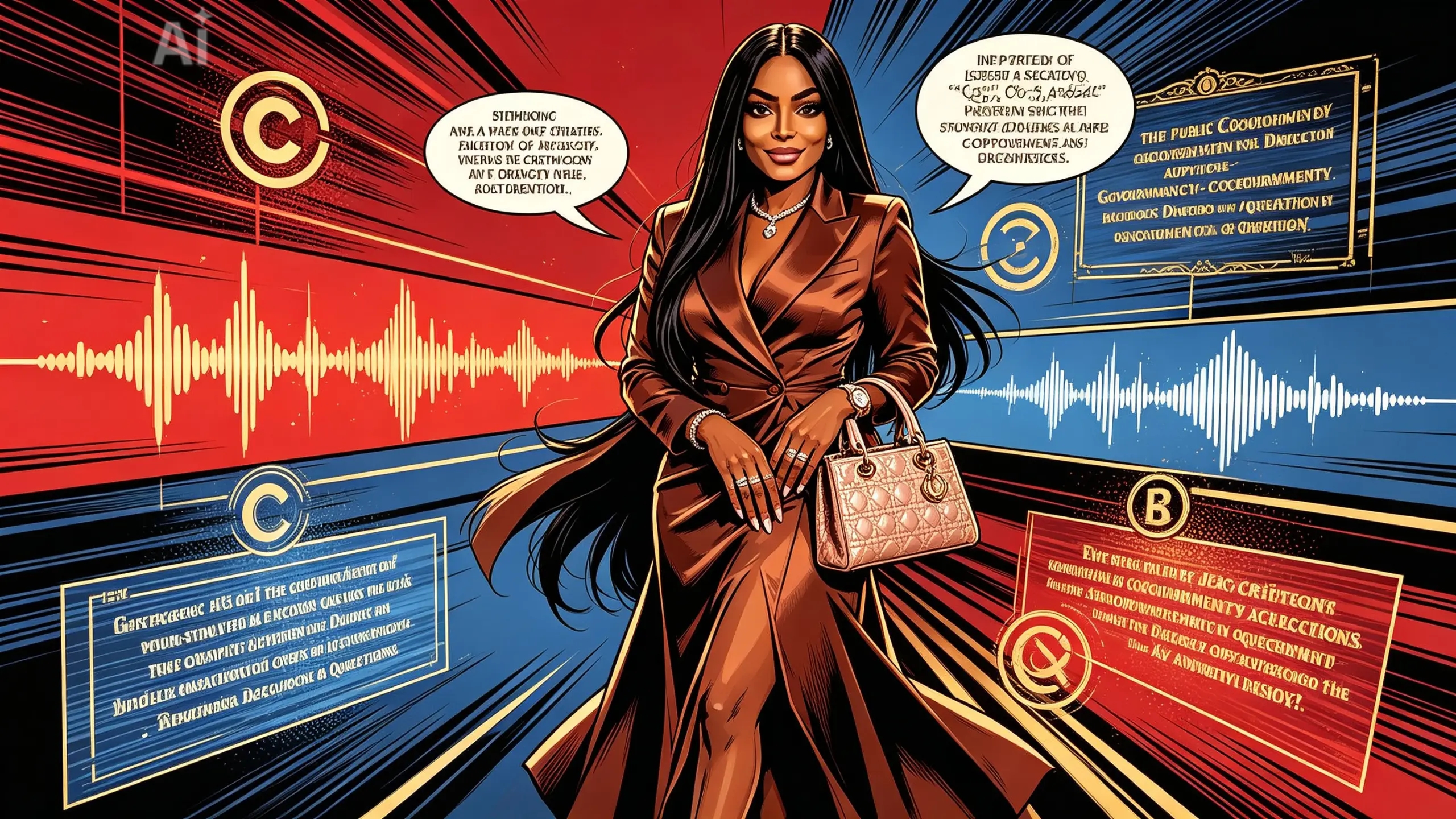
The United States Federal Bureau of Investigation released an artificial-intelligence-generated promotional video designed to present the agency’s director as a comic-book-style hero.
Instead of inspiring universal admiration, the production triggered ridicule, criticism and an ethical argument over the synthetic recreation of a deceased cultural figure’s voice.
The approximately one-minute-and-48-second video reportedly featured FBI Director Kash Patel prominently while highlighting the bureau’s involvement in major events such as the Super Bowl and FIFA World Cup.
It used retro comic-book visuals, the 1980s song The Safety Dance and a voice designed to resemble legendary Marvel creator Stan Lee.
The result quickly travelled across social media—but largely for reasons the agency may not have intended. Critics called it embarrassing, self-promotional and disrespectful to Lee’s legacy. �
The Daily Beast
What Was in the Video?
The production presented Patel through exaggerated heroic imagery associated with superhero comics.
A synthetic narrator guided viewers through claims about FBI achievements and public-safety work.
Using an AI-generated comic-book aesthetic was not necessarily the controversial part. Government agencies frequently use animation, humour and popular-culture references to reach younger audiences.
The strongest criticism centred on:
The prominent personal focus on the director
The apparent artificial imitation of Stan Lee
The use of public-agency communication for personal branding
The quality and tone of the finished production
Questions about consent and intellectual property
Why the Stan Lee Voice Mattered
Stan Lee died in 2018, but his voice remains strongly associated with Marvel, comic-book culture and affectionate fan nostalgia.
Artificially imitating a deceased person raises questions that are not solved merely by labelling the result as AI.
Who has the authority to approve a digital recreation?
Does a public figure’s cultural importance make their voice available for parody or promotion?
Should a government agency apply a higher ethical standard than an ordinary internet creator?
Even where a voice imitation is legally defensible, it may still feel exploitative—especially when used to praise a living official.
Why the Video Went Viral
The video combined institutional seriousness with internet spectacle.
The FBI is associated with criminal investigations, national security and public accountability.
Comic-book self-promotion creates a sharp contrast with that identity.
People shared the video partly because it felt tonally strange: a powerful law-enforcement organisation communicating through what critics described as AI “slop.”
Viral embarrassment follows a different pathway from viral admiration.
People do not have to enjoy a video to amplify it. Ridicule can generate greater reach than approval.
Government AI Has a Different Standard
A private creator experimenting with synthetic animation is making a creative choice.
A public institution is using taxpayer-supported communication and official authority.
That creates additional responsibilities:
Accuracy
Political neutrality
Responsible spending
Copyright awareness
Respect for personal likeness
Clear disclosure
Preservation of institutional credibility
Government communication should help the public understand what an agency does.
When the personality of one leader becomes the main attraction, institutional messaging can begin to resemble personal propaganda.
What Is Confirmed and What Is Unclear?
Reporting confirms that the FBI published the synthetic comic-style video in late July and that it prominently featured Patel while using narration resembling Stan Lee.
Online criticism focused on both the artificial voice and the celebratory portrayal of the director. �
The Daily Beast
Public reporting available at the time did not establish whether Stan Lee’s estate had authorised the voice recreation.
That unanswered question should be stated clearly rather than replaced with an assumption.
Mary Chuks’ Perspective
Artificial intelligence can make public communication more engaging and accessible.
But AI also makes self-mythologising cheap.
A leader can now be transformed into a superhero, military commander, historical icon or cinematic saviour without hiring a film studio.
The psychological danger is not only deception.
It is manufactured grandeur.
When institutions build heroic stories around their leaders, citizens should ask whether the communication serves the public—or the personality.
Practical Standards for Public-Sector AI Videos
Government organisations should:
Disclose synthetic voices and imagery clearly.
Obtain permission before reproducing identifiable voices.
Separate institutional communication from personal promotion.
Publish production costs where appropriate.
Preserve factual accuracy despite stylisation.
Consider how humour affects public trust.
Review outputs through legal and ethical teams before publication.
Conclusion
The FBI’s AI superhero video may have been intended to make the agency appear modern and energetic.
Instead, it demonstrated a central law of the internet:
When institutions manufacture their own legend too enthusiastically, the public may turn the legend into a joke.
Original Sources and Further Reading
Original reporting: The Daily Beast, “FBI Posts AI Video Starring Director Kash Patel,” covering the video and the backlash following its publication in July 2026. �
Discover more from Marychuks.com AI, Psychology, Business & CreativeVerse
Subscribe to get the latest posts sent to your email.