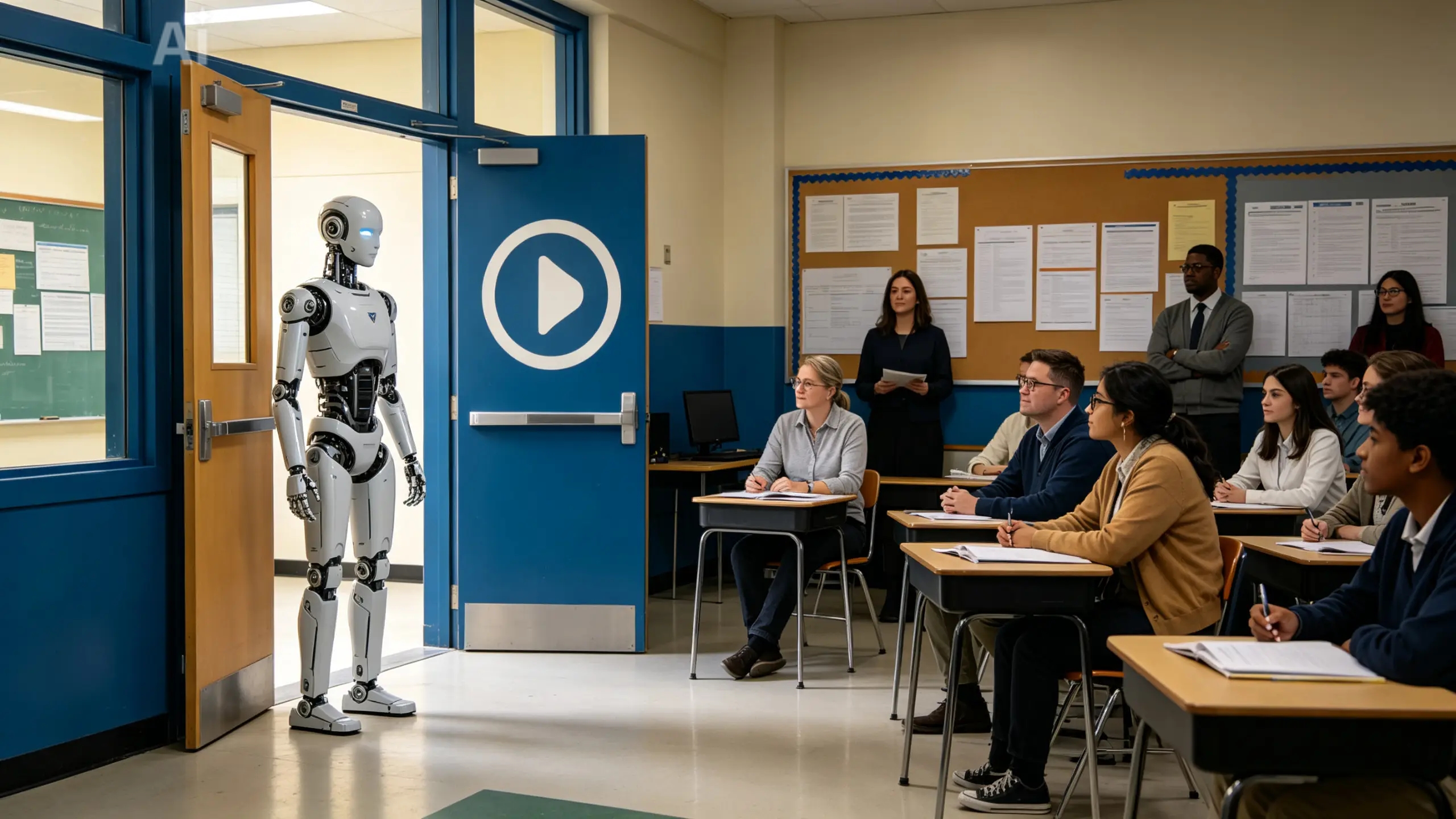
The engineers who helped Spotify predict what people wanted to hear are now trying to predict what they want to buy.
Former Spotify employees Sidd Motwani, Ian Anderson and Shivaditya Sinha have launched a startup called Malachyte, raising $10 million to build real-time recommendation technology for online retailers.
The founders previously worked on Spotify’s Vector AI system, which reportedly powers approximately 90% of recommendations across the music platform’s 800 million users. �
TechCrunch
Their new system aims to understand not only who a shopper has been in the past, but what the person is trying to accomplish during the present visit.
The Problem With Traditional Personalisation
Many online shops rely on historical data.
They recommend products based on:
Previous purchases
Saved preferences
Demographic categories
Items viewed during earlier visits
Similar customers’ behaviour
That approach can miss the shopper’s immediate situation.
A person who normally buys office clothes may visit today because they need safety boots for a new job.
An AI system trained only on past purchases may continue recommending formal shoes.
Malachyte says its technology begins building an intent profile from the moment the page loads and continuously updates it based on the user’s behaviour during the session. �
TechCrunch
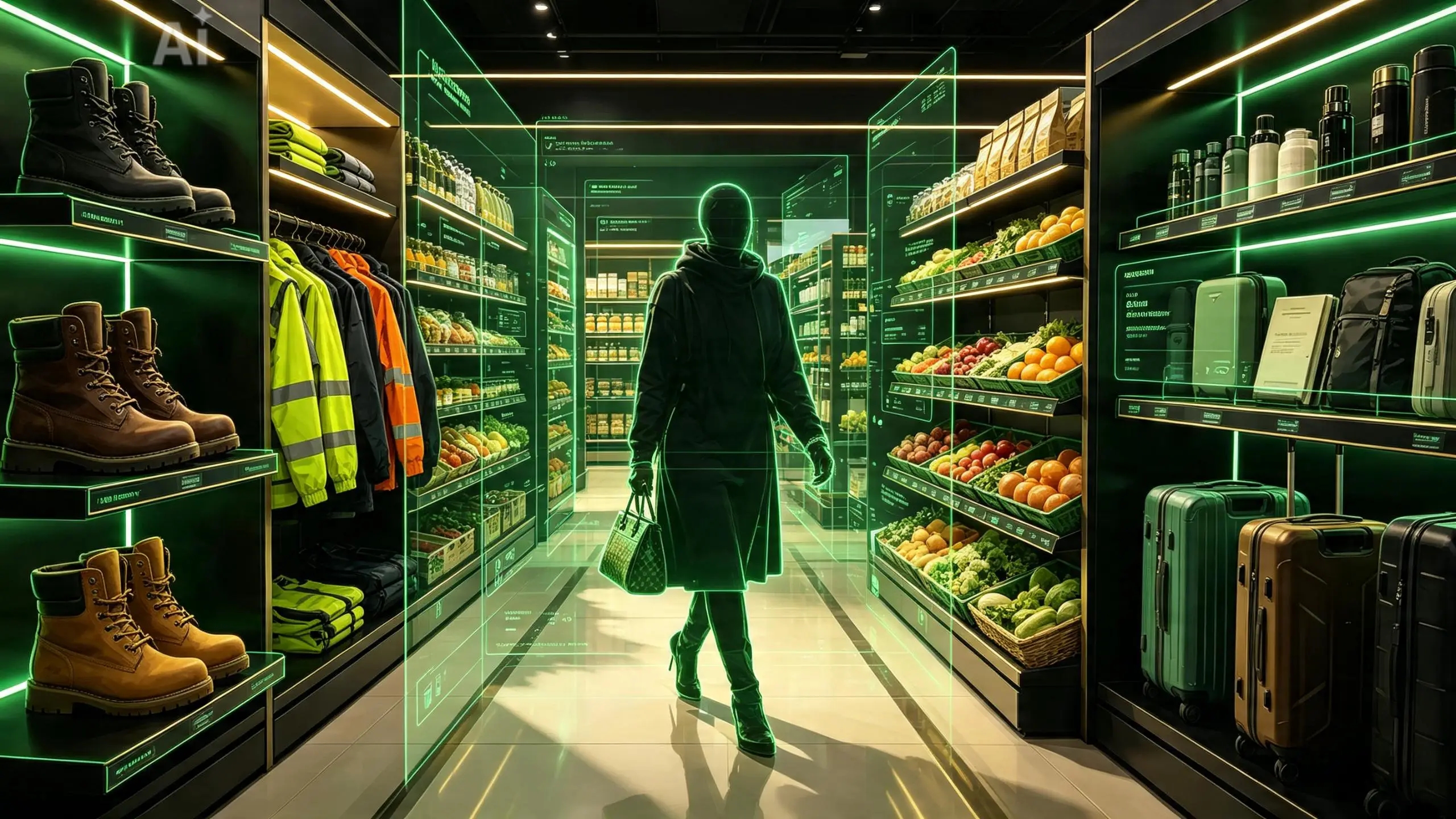
For example, a search for heavy-duty boots followed by clicks on steel-toe products might cause the website to move work trousers and protective gloves higher on the page while reducing the visibility of dress shoes.
Why This Could Change E-Commerce
Most online stores present nearly identical homepages to every first-time visitor.
Real-time intent prediction could make the store reorganise itself around each person.
The page might change according to:
Search language
Device type
Time of day
Referral source
Products inspected
Time spent on a category
Current shopping sequence
A visitor arriving from a late-night email campaign on a phone may be in a very different state of mind from the same person browsing from a work laptop the following morning. Malachyte argues that conventional retail systems frequently ignore that difference. �
TechCrunch
The Opportunity for Small Businesses
Independent online businesses often cannot compete with major retailers on advertising budgets.
Intent-aware AI could help them compete through relevance.
A smaller merchant may not possess millions of customer profiles, but it can still use the actions occurring during the present visit to understand what the buyer needs.
The commercial advantage becomes:
Show the right solution before the customer becomes tired of searching.
The Privacy Question
The system’s appeal is also its risk.
Real-time behavioural analysis can feel helpful when it reduces irrelevant products.
It can feel manipulative when the user does not understand how closely the system is observing them.
Retailers should disclose when personalisation is taking place and avoid using inferred vulnerability to push excessive spending.
An AI that concludes someone is anxious, tired or in a hurry should not exploit that condition by hiding cheaper options or creating false urgency.
Mary Chuks’ Perspective
Traditional marketing asks:
“What type of customer are you?”
Intent-aware AI asks:
“What are you trying to solve right now?”
The second question is far more useful.
For MaryChuks.com, this means visitors should not all receive the same journey.
Someone reading about creator monetisation may need Social Caption AI.
A visitor researching productivity may need Practical AI 360.
A business owner exploring digital publishing may need PublisherAI 360.
The website becomes stronger when content, products and customer intent connect naturally.
Practical Takeaways for Online Businesses
Create clear product categories, write precise descriptions and connect each article with the most relevant tool or service.
Do not personalise merely to increase pressure. Personalise to reduce confusion.
The best recommendation feels like assistance—not surveillance wearing a sales badge.
Conclusion
Spotify learned that people do not always know which song they want until the right one appears.
Online retailers are betting that shopping may work the same way.
The next storefront may not remain still while the customer browses.
It may learn, reorganise and respond with every click.
Discover more from Marychuks.com AI, Psychology, Business & CreativeVerse
Subscribe to get the latest posts sent to your email.