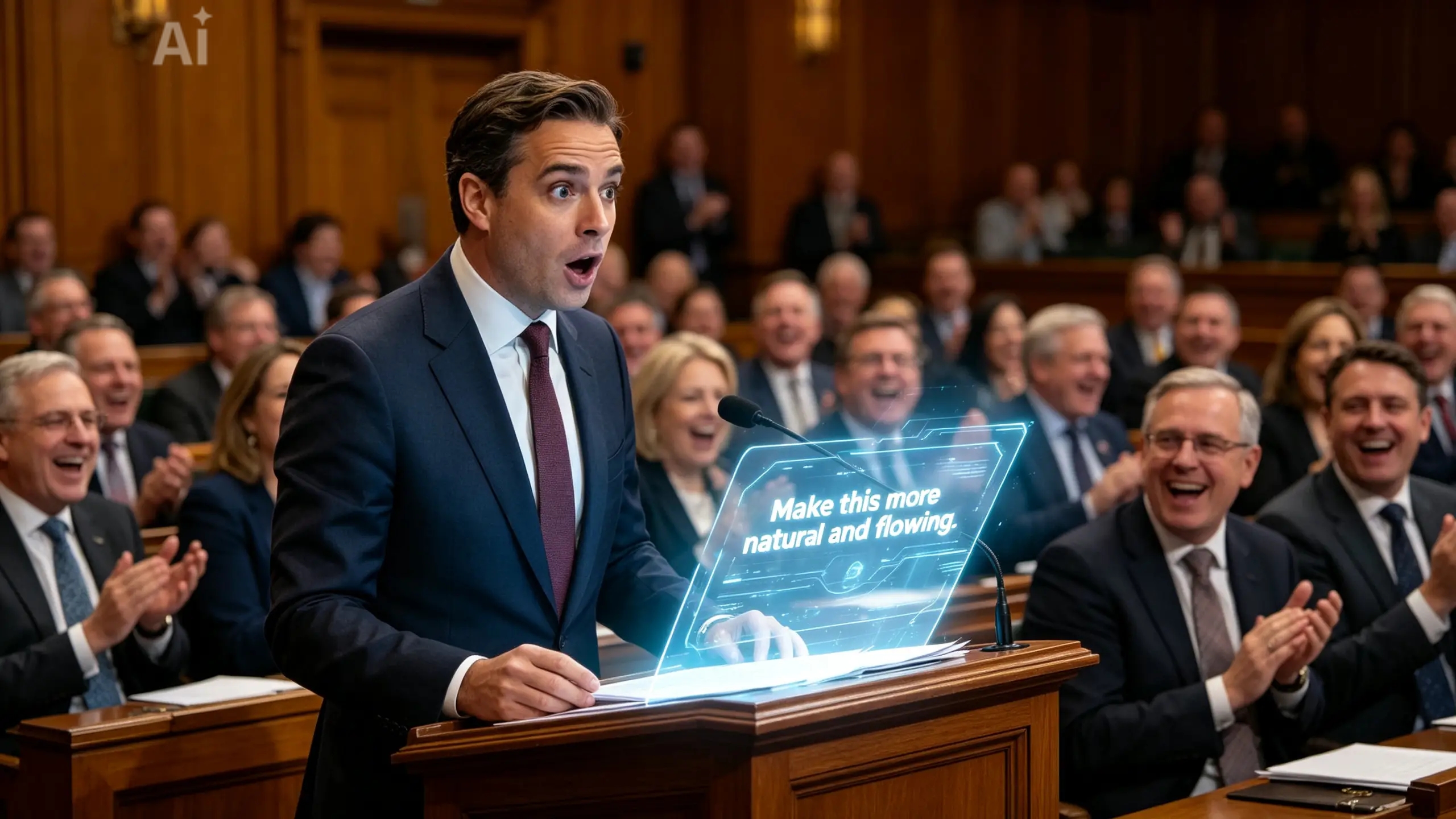
A video clip of OpenAI chief executive Sam Altman warning that people could have “no freedom,” “no agency” and “no privacy” spread rapidly across social media.
Many viewers interpreted the clip as Altman describing the future he intends to create.
The fuller context tells a different story.
Speaking with Y Combinator chief executive Garry Tan at Startup School 2026, Altman was outlining a dystopian outcome he feared: a world where society overreacts to AI safety risks by building an all-powerful surveillance system. He contrasted that scenario with a future in which artificial intelligence distributes power and expands human agency. �
News.com.au +1
The controversy became a case study in how short-form video can reverse the meaning of a statement without technically fabricating the words.
What Altman Was Warning About
Altman described a possible bargain in which society receives material abundance and medical breakthroughs but loses privacy, freedom and individual control.
His argument was that AI safety should not become an excuse for centralised surveillance.
That position is consistent with other public statements in which he has argued that advanced AI should expand people’s ability to create, build businesses and exercise agency. �
OpenAI +1
People may still disagree with OpenAI’s policies, influence or business model.
But criticism should address the argument Altman actually made—not the opposite interpretation produced by a shortened clip.
Why the Clip Was So Easy to Misread
Social media rewards emotional clarity.
A complicated discussion about competing AI futures does not fit neatly into a few seconds.
The words “you will have no privacy” are shocking enough to circulate without the sentence explaining that this is the outcome the speaker opposes.
Once viewers become angry, they are less likely to search for the complete event. The emotional reaction becomes the content.
The Psychology of Context Collapse
Context collapse occurs when a statement created for one setting is removed and presented inside another.
A warning becomes a prediction.
A hypothetical becomes a promise.
A criticism becomes an endorsement.
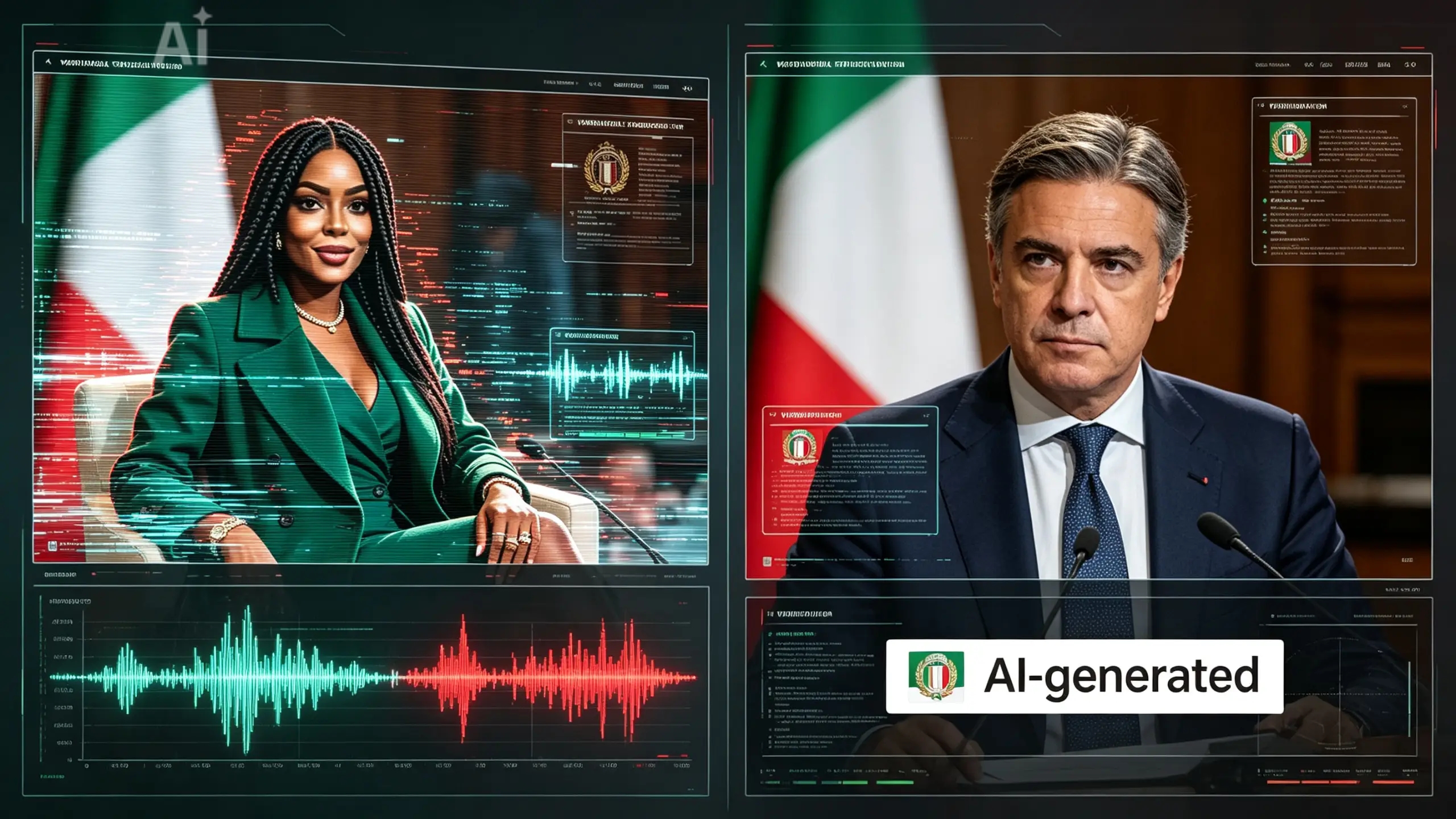
AI makes this problem even more serious because creators can now automatically:
Find the most provocative sentence
Add dramatic captions
Generate commentary
Remove pauses and qualifying statements
Clone voices
Produce response videos at scale
A misleading clip no longer needs a large editing team. It needs only the part most likely to trigger engagement.
Does the Context Remove Every Concern?
No.
Altman leads one of the world’s most influential AI companies. People are entitled to examine whether OpenAI’s actions match its language about freedom, privacy and distributed power.
Relevant questions remain:
Who controls powerful models?
How much information do AI systems collect?
Can users meaningfully refuse data processing?
Will advanced intelligence be affordable?
Can governments use frontier AI for surveillance?
Who audits the companies building it?
Correcting the clip’s context should strengthen serious scrutiny, not end it.
The Real Dilemma
AI safety and personal freedom can come into tension.
A company may restrict users to reduce harmful outputs.
A government may demand identity verification to limit criminal misuse.
A platform may monitor conversations to detect threats.
Each safeguard can offer genuine protection while also creating opportunities for surveillance and control.
The solution cannot be “maximum safety at any cost” or “complete freedom regardless of harm.”
Society needs safeguards that are proportional, transparent, appealable and independently governed.
Mary Chuks’ Perspective
A viral clip is a psychological shortcut.
It allows us to feel certain before we have done the work of understanding.
That is precisely why media literacy must become part of AI literacy.
Before reacting to a shocking statement:
Find the full recording.
Listen to the sentences immediately before and after it.
Distinguish a forecast from a warning.
Check whether captions accurately reflect the speaker.
Critique the complete argument rather than the edited impression.
You do not need to trust a powerful technology executive to insist on accurate context.
Truth should not depend on whether we like the person speaking.
Conclusion
Sam Altman did speak about a future without freedom, agency or privacy.
He was not presenting it as a desirable plan.
The viral controversy reveals something larger than one speech: in the algorithmic age, authentic words can create misinformation when their meaning is surgically removed.
Original Sources and Further Reading
Event reporting and context: News.com.au, “‘No Freedom’: AI Boss Warns of Dystopian Future,” published 2 August 2026. �
News.com.au
Public discussion of the viral clip: Social-media transcript preserving the surrounding dystopian-warning context. �
Reddit
OpenAI’s published principles on agency: Sam Altman’s statements on AI expanding individual capability. �
Discover more from Marychuks.com AI, Psychology, Business & CreativeVerse
Subscribe to get the latest posts sent to your email.