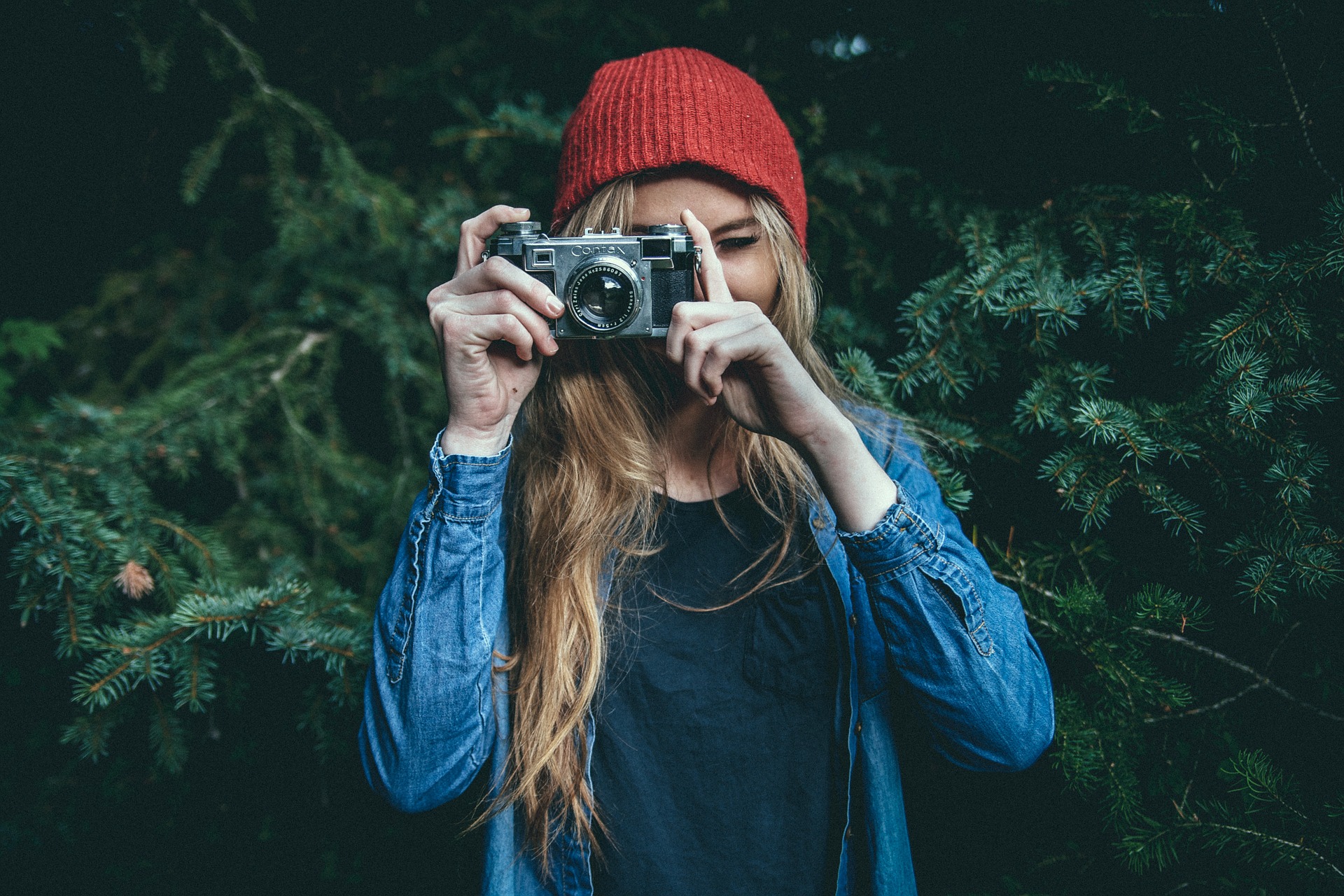
A product photograph can reveal more than the item you want to sell. The file may contain the time, device and location connected to the shot, while the scene itself can expose an address label, school badge, street view or recognisable window. A quick privacy check before publishing protects you without making the listing less useful to a genuine buyer.
This matters whether you sell one unwanted phone, run a home-based craft business or photograph stock for several marketplaces. The safest habit is simple: keep your original, prepare a separate listing copy, remove information the buyer does not need, and verify the copy before uploading it.
A photograph has two privacy layers
Most people check only what they can see. That is the first layer: the pixels. Reflections can show faces or room layouts. A parcel in the background may display a full name and address. Vehicle registration plates, identity cards, children’s uniforms, house numbers and distinctive views can all narrow down where someone lives or works.
The second layer is the file’s metadata: information stored alongside the image. Apple notes that sharing a photo can include associated metadata such as its date and time, location, device and captions. On a camera or phone, you may also see exposure information, dimensions, filename and other technical details. Location is the field that deserves the most attention when a photograph was taken at home or another private place.
Metadata is not automatically dangerous, and it can be useful for organising photographs. The problem is unnecessary disclosure. A buyer needs clear evidence of condition, scale and authenticity; they rarely need the coordinates of your kitchen table.
Do not assume the marketplace will clean the file
Some services resize images or remove certain metadata during processing. Others preserve more information, and behaviour can change between an app, website, message attachment and downloaded original. Treat platform stripping as a possible extra safeguard, not as your privacy plan.
A reliable workflow puts the decision in your hands before the file leaves your device. It also prevents a common mistake: editing the original, forgetting what was removed, and later needing the untouched image for insurance, provenance or a dispute.
The seven-minute pre-listing workflow
1. Create a listing copy
Duplicate the photograph or export a copy into a dedicated listing folder. Keep the original private. Give the copy a neutral filename such as blue-vase-front.jpg rather than one containing your full name, address, order number or client reference.
2. Inspect the visible scene at full size
Zoom into the background and reflective surfaces. Check mirrors, glossy screens, windows, labels, paperwork and packaging. Crop where possible; otherwise reshoot against a plain background. Blurring can help, but a clean reshoot usually looks more professional and leaves less room for editing mistakes.
3. Review the location information
On an iPhone or iPad, open the photograph in Photos and view its information. Apple’s current guidance says you can remove a saved location from an individual photo through More → Adjust Location → No Location. For a one-off share, the Photos sharing options can also turn off Location before the item is sent. See Apple’s guide to managing location metadata in Photos.
In Google Photos, open the image and inspect its information. Google explains that you can edit or remove locations that Photos estimated, but a location supplied by the camera may still be shared. The exact controls and what can be changed depend on the source of the location and the device, so follow the relevant steps in Google’s guide to finding and editing photo locations. If the app will not remove camera-written location data, make a privacy-safe exported copy with a trusted tool built into your device or computer.
4. Decide whether to stop future geotagging
If nearly every product image is taken in the same private workspace, consider disabling precise location access for the camera. The trade-off is that your personal photo library will lose useful map-based organisation for new shots. A less disruptive alternative is to keep geotagging for personal photography and use a repeatable export-and-check routine for business listings.
5. Check the exported file again
Do not stop after tapping a removal control. Open the actual listing copy, not the original, and inspect its information panel. Confirm that no map or location appears and that the filename is appropriate. On a computer, use the operating system’s file information or properties view. If you use a metadata-removal utility, choose a reputable tool and avoid uploading sensitive originals to an unknown website simply to clean them.
6. Upload a test image
Preview the listing as a buyer would. Check the crop on mobile, zoom into the background and confirm that the platform has not exposed your original filename in an awkward way. If the service permits downloading the displayed image, inspect that downloaded version too. This is a verification step, not a substitute for cleaning your local copy first.
7. Repeat for every angle
A safe hero image does not make the whole gallery safe. Detail shots can reveal serial numbers, invoices, house keys or the view outside. Review each file independently, especially when photographs were taken on different days or devices.
Privacy and buyer trust can work together
Sellers sometimes fear that removing information will make a listing look evasive. In practice, privacy and transparency concern different details. You can protect your location while giving buyers the evidence that reduces uncertainty:
- photograph the front, back, sides and any defects in even light;
- include a scale reference when dimensions are not obvious;
- show labels or serial details only when they help verification, and obscure unrelated personal information;
- describe edits honestly if colour, background removal or AI enhancement could affect how the item appears;
- keep the original files privately in case you need to evidence the item’s condition.
The psychology is straightforward: buyers want enough visual evidence to feel that the seller is not hiding a defect. They do not need access to the seller’s private life. A neutral background, consistent angles and a specific written description usually build more confidence than incidental personal detail ever could.
What not to remove
Privacy cleaning should not become misleading editing. Do not erase scratches, stains or damage. Do not alter identifying marks when those marks are necessary to establish authenticity. For regulated, high-value or warranty-covered goods, retain the untouched originals and any required records even if the public listing uses redacted copies.
There is also no need to strip every technical field by reflex. Camera model or exposure settings may be harmless in many contexts. Focus first on information that creates a real link to a person, private place or account, then balance the rest against the buyer’s legitimate need to assess the item.
A pre-publish checklist for product photos
- I am uploading a copy, not my only original.
- The background contains no address, document, face or recognisable private detail.
- Reflections and screens reveal nothing unintended.
- The listing copy has no location attached.
- The filename contains no personal or client information.
- The photographs show the item accurately, including defects.
- I have checked every image in the gallery on a buyer-facing preview.
Build this checklist into the same routine as pricing and writing the description. Once it becomes a habit, privacy checking takes minutes and produces cleaner, more consistent photographs. For more ways to improve how you plan and present images, explore MaryChuks.com’s Photography articles.
Before your next listing: make a working copy, remove location data, scan the scene, and preview every image. The item should be public; your private location should not be.
Discover more from Marychuks.com AI, Psychology, Business & CreativeVerse
Subscribe to get the latest posts sent to your email.