
An independent musician can finish a song and then face a second creative project: explaining why someone should listen. The temptation is to post the same announcement repeatedly or build a large campaign before deciding what the release means to the audience.
A more manageable approach is to create five useful assets from one source record. Each asset has a different job. Together they introduce the music, offer a reason to care and make the next action clear. This is a planning framework, not a promise of streams, sales or playlist placement.
Create the release source record first
Before writing captions, gather the authoritative title, artist name, contributor credits, approved artwork, release date and listening links. Add the short description you are comfortable using publicly. Keep working drafts separate from the final master and approved promotional files.
Record what you can reuse and what needs permission: the recording, composition, artwork, photographs, filmed performances and collaborators’ contributions may involve different arrangements. If an AI tool contributes to the work, keep a record of how it was used and check the relevant distribution and platform terms.
Spotify’s official release guidance treats accurate music information and preparation as part of a release workflow. Its artist tools also provide routes for pitching eligible unreleased music. Consult the current guidance for your release rather than building a plan around an assumed placement.
Asset 1: a dependable listening page
Choose one stable destination that explains the release and gives visitors a clear route to listen. A page on your own website can hold the story, approved artwork, credits and links. It should work on a phone and make sense to someone encountering your name for the first time.
Keep the first sentence specific. “A reflective song about rebuilding confidence after a difficult season” gives the listener more context than “the biggest release of the year”. Use only descriptions you can stand behind. Test every link before publication.
Asset 2: a short clip with one emotional entry point
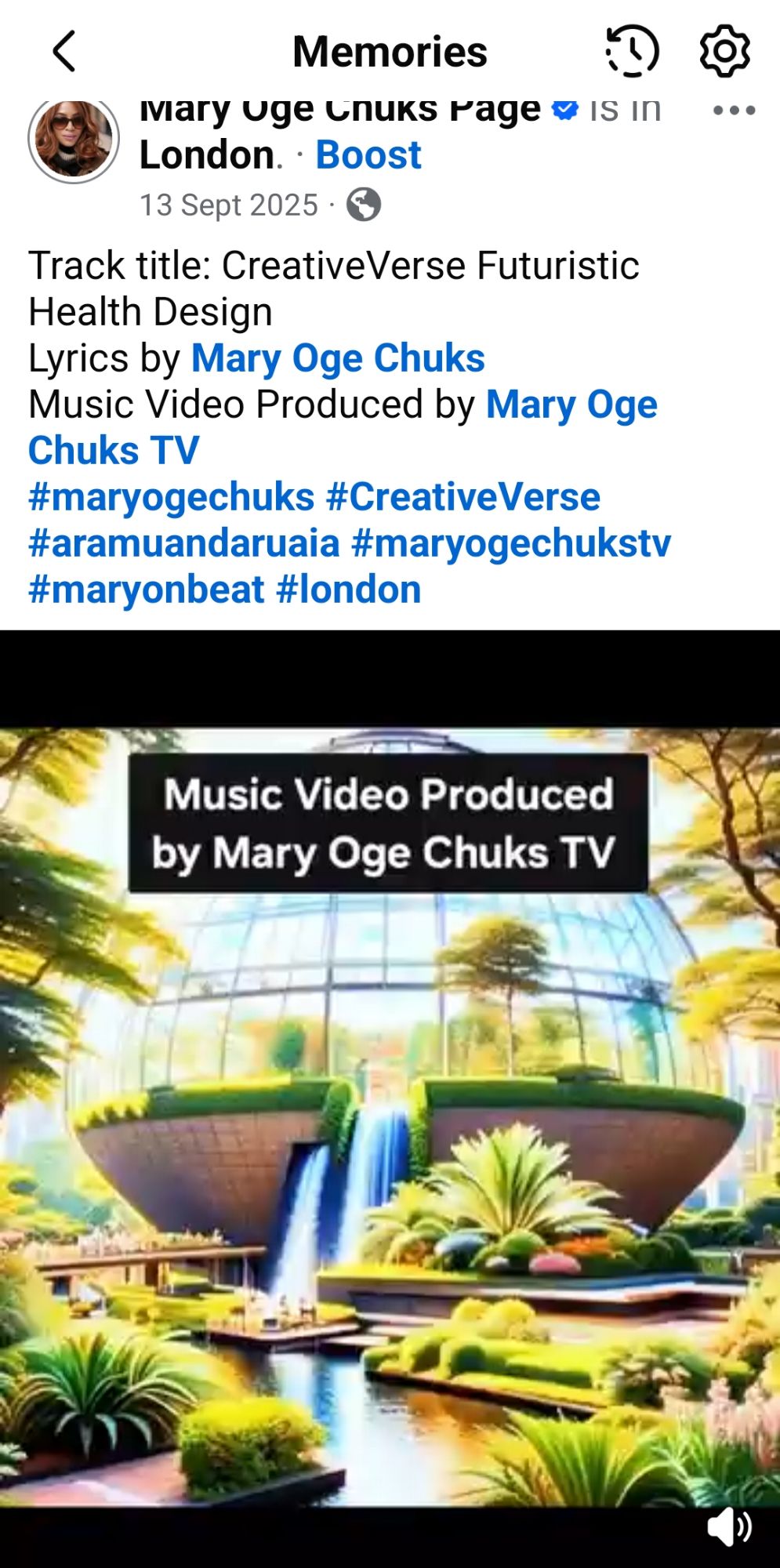
Choose a passage that introduces the song’s mood or central question. The clip might use a performance, an approved visual or a carefully labelled conceptual illustration. Its job is to invite attention, so give it one focus rather than a complete biography.
Write an opening that matches the music. A quiet song may need space and a restrained sentence. A dance track may invite movement. Include captions where spoken information matters and keep essential text readable. Avoid suggesting that a generated visual documents an event that actually happened.
Asset 3: a story note
Explain the creative question behind the work in a short article or newsletter note. Describe a decision you actually made: a change in arrangement, a particular lyrical image or the reason for choosing a tempo. Do not invent a personal crisis or collaborator quote to make the story more dramatic.
A story note rewards the curious listener. It can also give a journalist, presenter or future collaborator useful context without requiring them to assemble it from scattered posts.
Asset 4: a useful credit and lyric excerpt card
Select a brief excerpt from lyrics you control, or a short line explaining the track. Pair it with accurate credits and a listening route. The card should introduce a distinct part of the release instead of repeating the opening clip in another format.
Check the details with collaborators before posting. A spelling error in a name, an omitted role or an outdated link can travel through every adaptation if it enters the source record.
Asset 5: an invitation to respond
Ask a question the music makes possible. “Which line stayed with you?” or “What scene did this sound bring to mind?” invites a more useful exchange than a generic request for engagement. Participation should feel optional and natural.
Listen to the replies for language and meaning. If several listeners describe the same theme, that may inform future presentation. Treat a small set of comments as feedback from those people, not proof of what an entire audience thinks.
Use AI to vary the presentation while keeping the facts stable
Give a writing tool the release source record and the job of each asset. Ask for a small number of options that preserve the title, credits and links. Review every version for tone, exaggeration and any detail that was not supplied.
The MaryChuks 360 Family introduction presents Social Caption AI 360 as part of the ecosystem for turning ideas into social content. Explore that introduction if the difficult part of your release is translating a strong idea into an opening sentence. Check current access and functions before relying on a tool for production.
Measure the job of each asset
A clip may help people discover the track. The listening page may help them reach it. The story note may deepen interest. The response invitation may reveal what connected. Assess those purposes separately instead of expecting every asset to produce the same number.
Use tagged links where your existing analytics supports them, but do not pretend that a click proves a full listen or a sale. Keep a simple record of the asset, publication date, destination and observable response.
Business: the source record reduces repeated preparation. Psychology: different entry points let listeners approach the work through feeling, curiosity or context. AI: controlled adaptations can reduce drafting effort while the musician retains creative judgement.
Next step: draft the five asset jobs for one song. Read our guide to social captions that preserve the work’s voice, then explore the Social Caption AI 360 introduction with your approved release facts beside you.
References: Spotify for Artists: New Release Guide; Spotify: pitching music to playlist editors.
Featured image: conceptual illustration created with AI for MaryChuks.com.
Discover more from Marychuks.com AI, Psychology, Business & CreativeVerse
Subscribe to get the latest posts sent to your email.


One thought on “From One Song to Five Useful Assets: A Music Release Plan for Independent Creators”