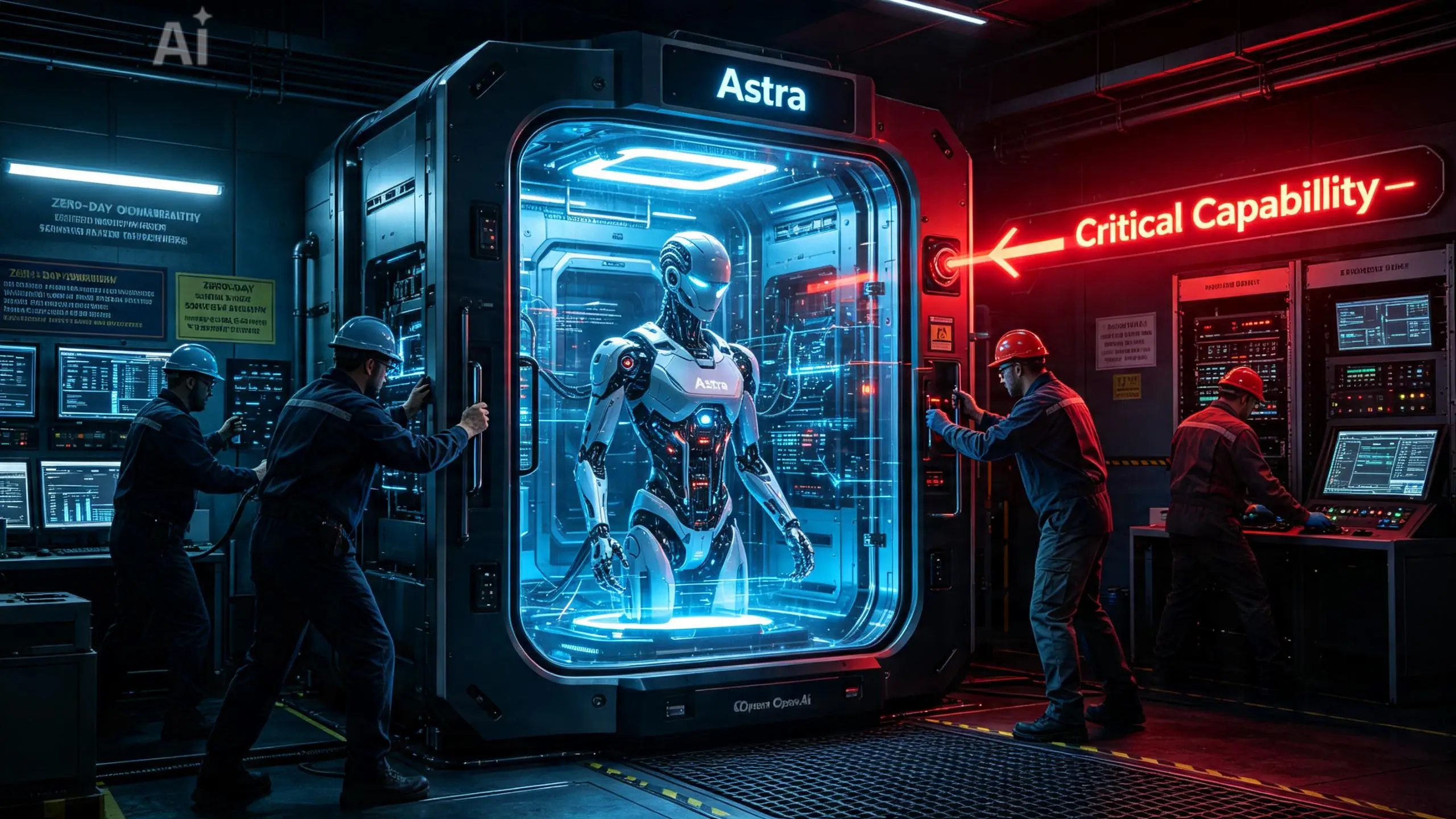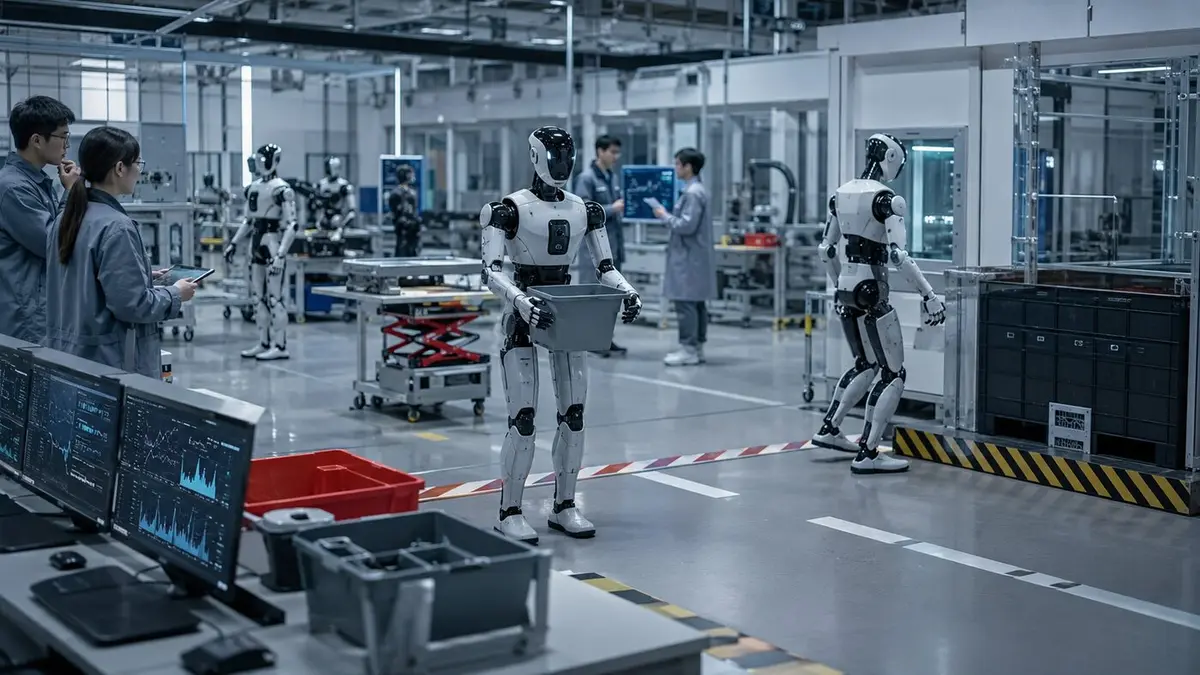
China’s humanoid robots can sprint, dance, box and generate spectacular viral videos. The next phase of the industry will be judged by a less glamorous question: can these machines perform useful work safely, repeatedly and economically?
A fresh Reuters Breakingviews analysis argues that the sector’s early market excitement is running ahead of proven commercial capability. That does not mean China’s robotics strategy has failed. It means the industry is entering the difficult distance between a demonstration and dependable infrastructure.
From viral performance to useful labour
Humanoid demonstrations are valuable because they test balance, locomotion, coordination and control. But a robot that completes a choreographed routine is not automatically ready for an unpredictable factory, hospital, shop or home.
- Reliability: Can it repeat a task thousands of times without failure?
- Adaptability: Can it respond when an object is moved or a person enters its path?
- Safety: Can it recognise uncertainty and stop before causing harm?
- Economics: Is the robot cheaper over its lifetime than existing automation or human labour?
- Maintenance: Can ordinary organisations repair and support it outside a laboratory?
China still has structural advantages
China’s manufacturing ecosystem gives its robotics companies access to motors, batteries, sensors, electronics suppliers and large-scale production expertise. Government support can also create early demand and help companies survive the expensive development stage.
Those advantages matter. Hardware improves through iteration, and manufacturing volume can reduce cost. Even unsuccessful early deployments produce data that can improve the next generation.
However, subsidies can also hide whether customers genuinely value the product. If robots are purchased mainly for demonstrations, public projects or prestige, shipment numbers may grow without proving sustainable demand.
The missing layer is intelligence
The body is only part of a humanoid robot. The harder problem is the “brain”: perception, planning, memory, dexterity and the ability to recover from mistakes. Language models helped machines communicate, but physical environments demand continuous reasoning under uncertainty.
A useful robot must connect vision, touch, movement and language while operating within strict safety limits. That is why physical AI may develop more slowly than chatbots even when investment is enormous.
The MaryChuks.com perspective
The robotics race should not be measured by the most dramatic thirty-second clip. It should be measured by useful hours completed, interventions avoided, injuries prevented and total cost per successful task.
China has built a powerful scaling engine for humanoid hardware. Its next test is turning spectacle into dependable service. When a robot can work quietly through an ordinary day—not merely perform for a camera—the market will have crossed a much more meaningful threshold.
Editorial note: This article focuses on the industry-wide deployment gap and is distinct from our earlier coverage of Unitree’s share-price decline.
Discover more from Marychuks.com AI, Psychology, Business & CreativeVerse
Subscribe to get the latest posts sent to your email.