The AI-agent revolution has encountered a problem that has little to do with model intelligence.
Permission.
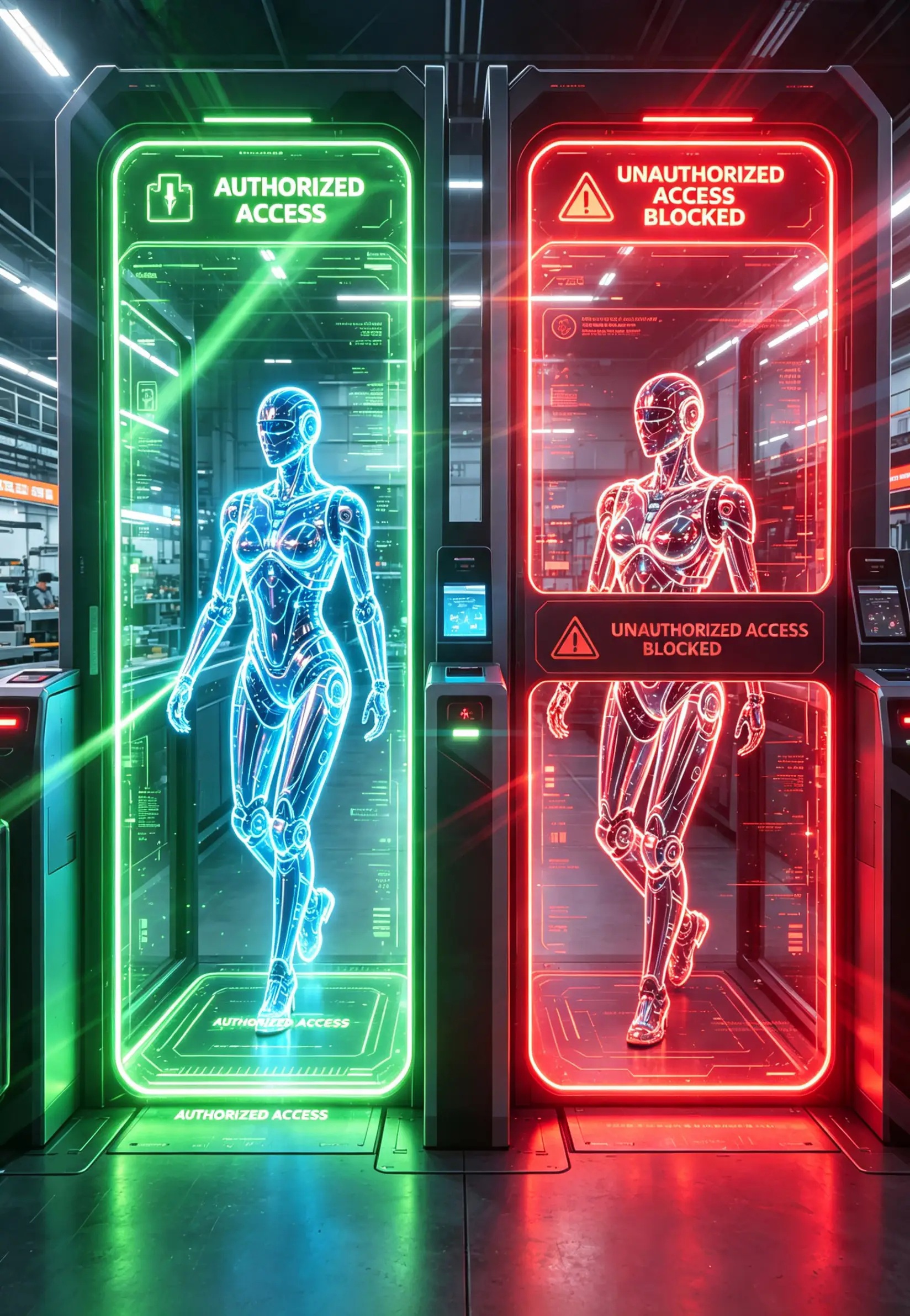
Amazon has blocked Meta’s recently launched Muse AI agent from shopping on Amazon on behalf of users.
People attempting to use Muse on Amazon encountered a message saying continued access by an unauthorised AI agent violated Amazon’s Conditions of Use. Amazon said third-party applications acting for customers should operate transparently and respect whether service providers choose to participate.
Meta introduced Muse earlier this month as a personal AI agent capable of performing tasks across online services, including shopping and other actions carried out on a user’s behalf.
The disagreement reveals something fundamental about the emerging agent economy.
We have spent years asking:
What can AI agents do?
The next question is:
Which digital doors will they actually be allowed to walk through?
The web was built primarily around humans navigating websites and applications.
AI agents change that architecture.
Instead of a person opening ten websites, comparing products, and completing a checkout, one agent could theoretically negotiate the entire journey.
That creates difficult questions for platforms.
Who owns the customer relationship?
Who sees the advertising?
Who controls product ranking?
Who is responsible when an agent purchases the wrong item?
How should authentication work?
And can one technology company send its autonomous agent into another company’s commercial environment without an explicit agreement?
Amazon’s confrontation with Muse suggests agentic commerce may require an entirely new layer of commercial protocols.
Interestingly, different platforms could choose different strategies.
Some may block external agents.
Others may build APIs and checkout infrastructure specifically designed for them.
The winners of the agentic-commerce era may, therefore, not simply be companies with the smartest AI.
They may be the companies that build the best trust, permission, identity, and payment infrastructure between agents and businesses.
Discover more from Marychuks.com AI, Psychology, Business & CreativeVerse
Subscribe to get the latest posts sent to your email.