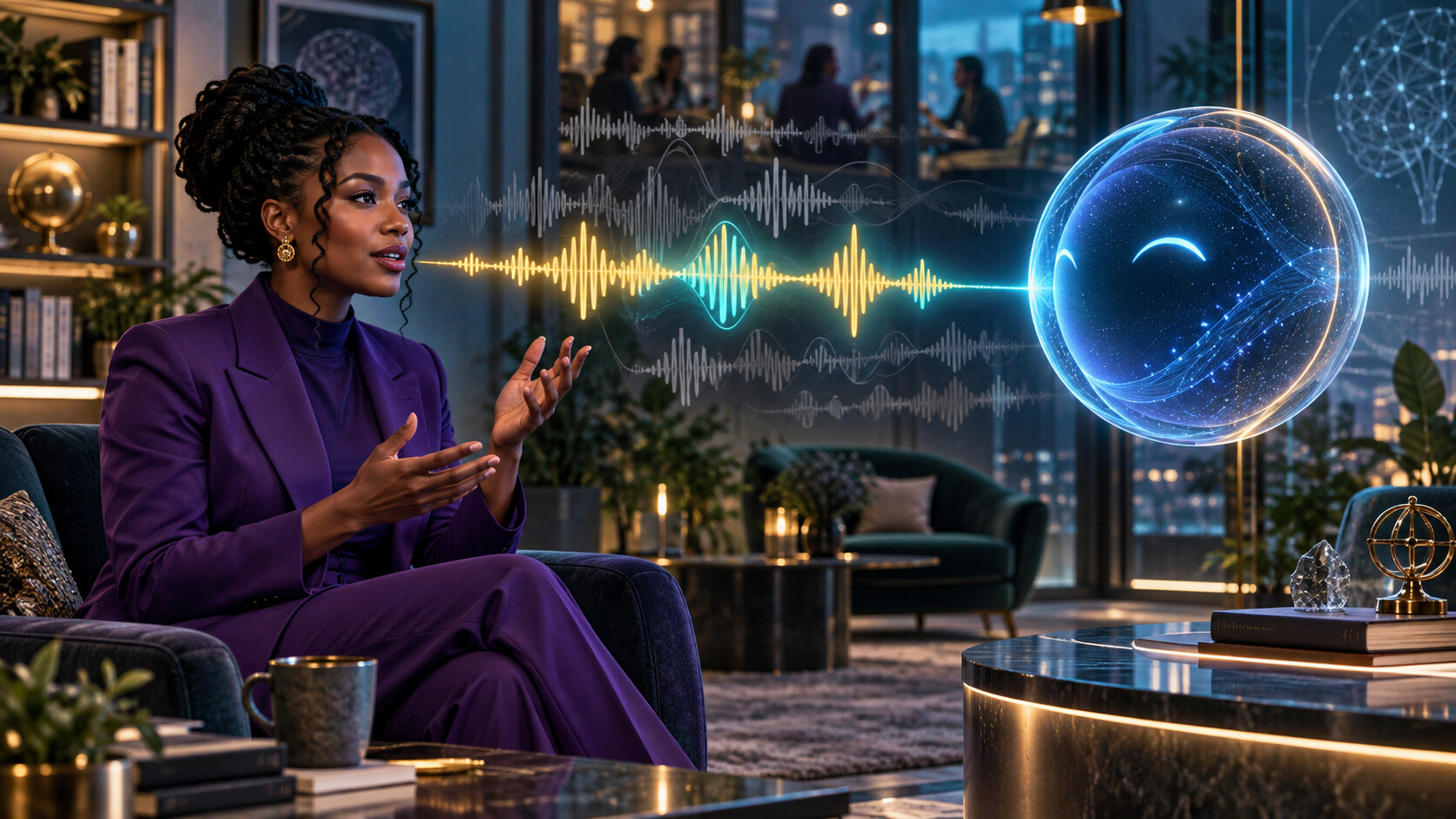
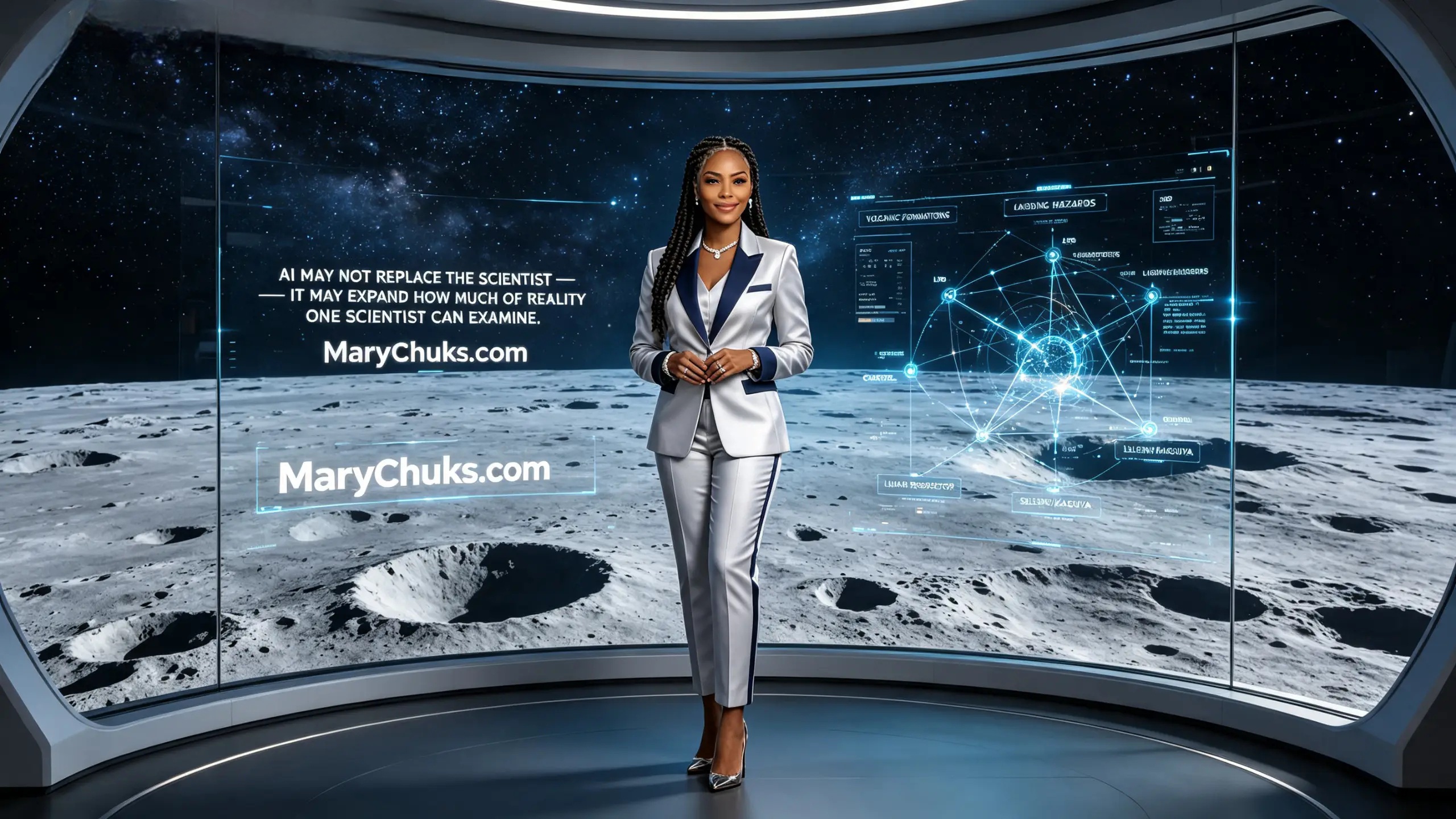
Most generative AI produces an answer, image or clip. A world model aims at something more demanding: an environment that remains coherent as a user changes position, camera angle or action. World Labs introduced Atlas on 1 September 2026 as a system for generating, reconstructing and simulating worlds.
This is an evidence-based launch review, not a hands-on test. The descriptions below reflect the company’s published materials and documentation; independent users will need to establish how reliably the system performs across difficult scenes and production workloads.
What makes a world different from an image?
An image only has to look plausible from one viewpoint. A persistent world must preserve the relationships between objects as the camera moves. A table should not change shape when viewed from another side. A doorway should lead somewhere. Lighting, scale and geometry must remain consistent enough for exploration.
That is why spatial intelligence matters. It combines perception with a structured representation of where things are and how they relate. For robots, games, film production, architecture and simulation, this could be more useful than a sequence of attractive but disconnected frames.
What World Labs says Atlas can do
The company describes Atlas as a world model that can generate and reconstruct environments. Its Marble product presents a practical surface for creating persistent 3D worlds from text, images, video or 3D inputs. The API documentation suggests that developers can integrate world-generation workflows into other products.
The opportunity is substantial: a creator might turn location references into an explorable set, rebuild a room for pre-visualisation or generate multiple spatial concepts before detailed modelling begins. But claims such as “world understanding” should be evaluated through measurable behaviour rather than accepted as a slogan.
The tests that matter
- Multi-view consistency: do objects remain stable as the camera moves?
- Control: can a creator specify layout, scale, style and exclusions precisely?
- Editability: can individual elements be changed without rebuilding the whole world?
- Export: do outputs work cleanly with established 3D and game-development tools?
- Performance: how long do generation and reconstruction take at useful quality?
- Rights and privacy: how are uploaded locations, faces and commercial designs handled?
A beautiful demo may pass the first-impression test and still fail production. Creators need repeatability, version control and predictable costs. The same verification discipline used in our Nimt AI review should apply here: judge the workflow, not only the promise.
Where Atlas could matter first
Film and creative pre-visualisation
Directors could explore camera positions before constructing a set. This fits the creator workflow discussed in Create with ChatGPT, where rapid generation becomes valuable when it feeds a disciplined production loop.
Robotics and embodied AI
Robots need models of space to navigate, predict movement and interact safely. Synthetic worlds could broaden training scenarios, although simulation-to-reality gaps remain. Our exploration of physical AI and embodied systems explains why spatial context is a critical bridge.
Architecture and digital twins
Designers could reconstruct spaces, compare changes and communicate proposals more intuitively. Accuracy requirements will be higher here because incorrect dimensions can have costly consequences.
The verdict
Atlas is strategically interesting because it moves the conversation from generating media to generating environments. Yet genuine spatial intelligence is not established by a launch announcement. It will be demonstrated through stable geometry, controllable editing, useful exports, transparent economics and performance outside carefully selected examples.
Sources and further reading
Discover more from Marychuks.com AI, Psychology, Business & CreativeVerse
Subscribe to get the latest posts sent to your email.