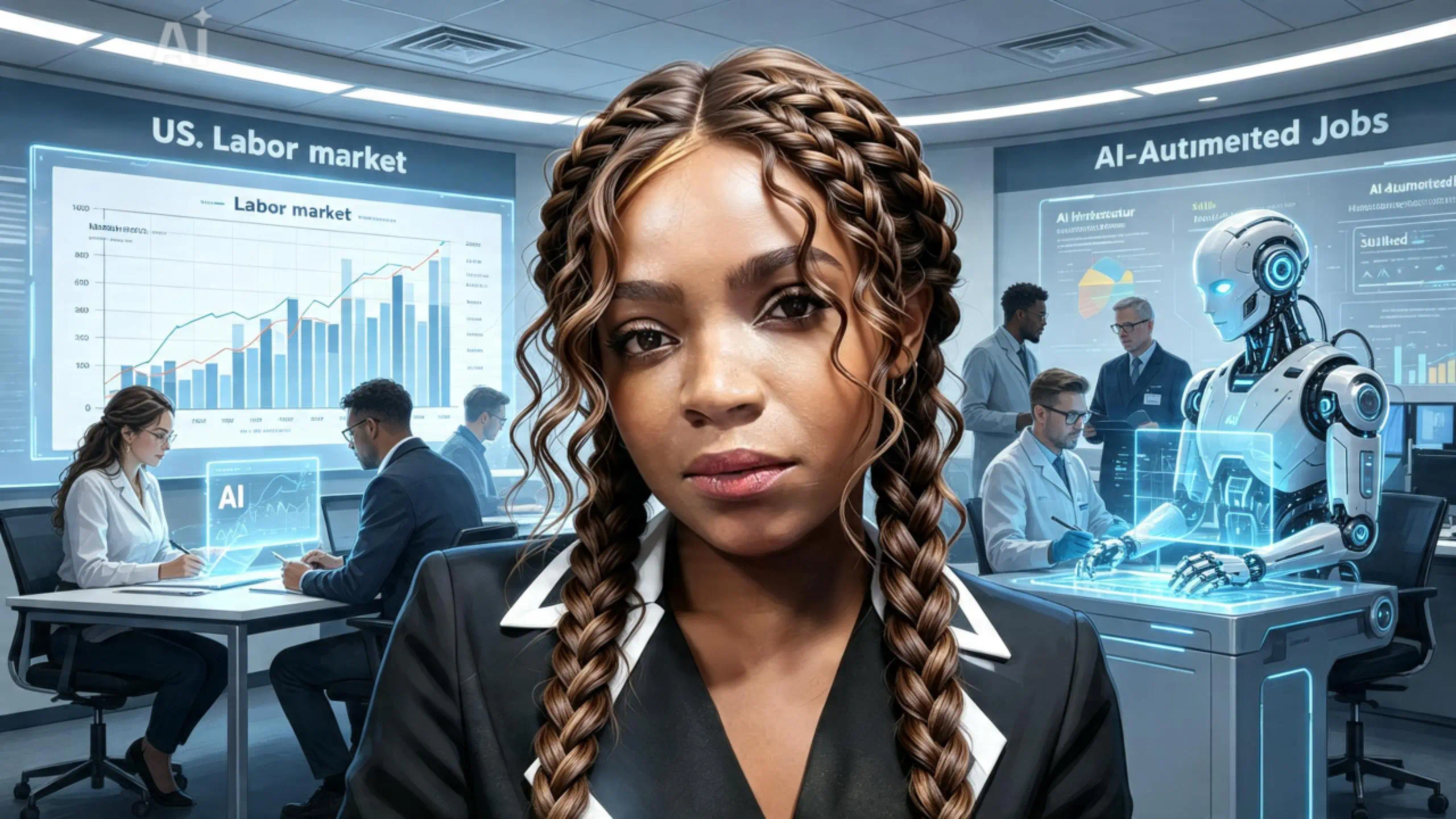
UCLA is launching what it describes as the first independent digital humanities department in the United States, alongside a bachelor’s degree designed for a world increasingly shaped by artificial intelligence, data and digital media.
The programme joins technical practice with the humanities rather than treating them as competing territories. Students will use digital tools to examine culture and history while also asking whose perspectives technology represents, how data becomes power and how emerging systems affect society.
UCLA’s official announcement says students will develop practical digital skills alongside the critical capacity to evaluate how technologies are created and used.
Why AI needs the humanities
Artificial intelligence is often presented as an engineering challenge. But every model operates inside human systems of language, law, identity, work and culture. Technical performance alone cannot answer questions about fairness, meaning or acceptable use.
- Computer science can explain how a recommendation system works.
- Psychology can examine how it changes attention and behaviour.
- Philosophy can test the values hidden inside its objectives.
- History can reveal whose records were preserved or excluded from its data.
- Politics can examine who gains power from its deployment.
These forms of knowledge become more valuable—not less—when technology grows more capable.
A different kind of AI workforce
The AI economy needs engineers, but it also needs people who can translate between technical systems and human consequences. Emerging roles include AI ethics officers, policy specialists, digital archivists, trust-and-safety researchers, experience designers and human–AI interaction specialists.
A digital humanities graduate may not train a frontier model from scratch. They may instead determine whether the model represents communities accurately, whether its interface manipulates users or whether its outputs can be trusted in a particular social context.
The risk of becoming symbolic
Interdisciplinary programmes succeed only when the disciplines have genuine authority. Ethics should not become a decorative module added after a product has already been designed. Humanities scholars need access to technical systems, while technical students need serious training in evidence, interpretation and moral reasoning.
The MaryChuks.com perspective
The future will require professionals who understand both machine capability and human complexity. Psychology and philosophy are not outside the AI revolution; they are part of its control system.
UCLA’s new department represents an important educational shift. Society is beginning to recognise that understanding code is not enough. We must also understand the humans, histories and power structures the code enters.
The most valuable AI education may therefore be neither purely technical nor purely theoretical. It will teach people how to build, question, interpret and govern at the same time.
Discover more from Marychuks.com AI, Psychology, Business & CreativeVerse
Subscribe to get the latest posts sent to your email.