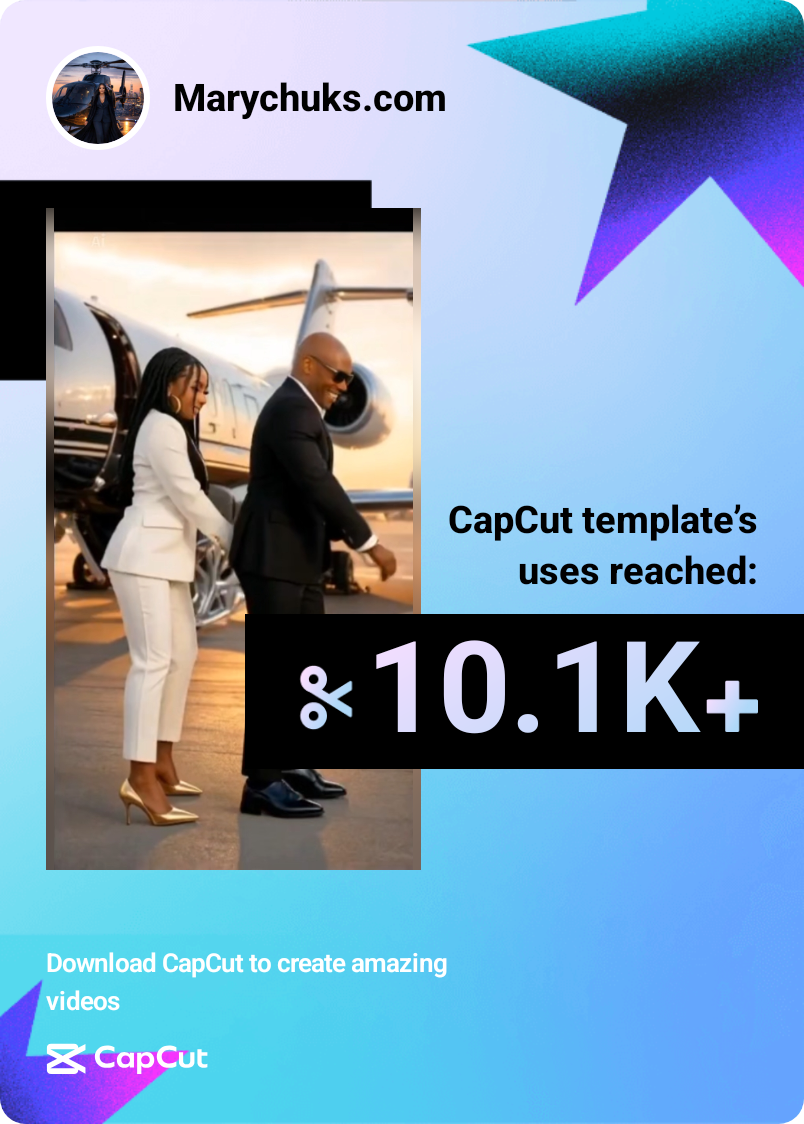
A creator who has produced hundreds of templates does not merely possess a collection of content.
They possess infrastructure.
Every template represents a tested idea, a visual format, an editing decision, an audience interaction and a reusable distribution asset. When thousands of people use one of those templates, the content is no longer functioning only as creative expression.
It has become a small media channel.
This changes the strategic question.
Instead of asking:
What should I post today?
The experienced creator can ask:
How can my existing creative library become a repeatable marketing system for my products, applications, books, music and future brand partnerships?
That shift—from isolated content production to content infrastructure—is one of the most important transitions in the creator economy.
A Large Content Library Is a Form of Digital Capital
Traditional businesses invest in buildings, machinery, stock and distribution networks.
Creators invest in intellectual property, audience relationships and reusable media.
A catalogue of hundreds of templates may contain:
Fashion concepts
Business visuals
Product demonstrations
Music-led edits
Motivational formats
Storytelling structures
Seasonal campaigns
Luxury branding concepts
Educational sequences
Before-and-after transformations
Visual hooks
Calls to action
Each piece can be adapted, republished, combined or connected to a commercial goal.
This means the creator does not have to begin from zero every morning.
The library becomes a creative operating system.
One template may promote a song. Another may present a book. A third may introduce an application. A fourth may demonstrate how a beauty, technology, fashion or lifestyle product fits into a real-world story.
The asset is not merely the finished video.
The deeper asset is the creator’s ability to repeatedly turn an idea into something people want to use, watch, imitate or share.
Template Usage Is Evidence of Audience Participation
A normal post is consumed.
A template is activated.
The audience does not only watch it. People insert their own photographs, videos, memories, businesses or identities into the structure.
That produces a different relationship between creator and audience.
The creator becomes the designer of a participatory format.
When a template reaches a major usage milestone, it provides valuable information:
The visual structure is easy to understand.
The emotional idea is relatable.
The editing rhythm works.
The format has practical value.
Users can imagine themselves inside it.
The template lowers the effort required to create content.
The design encourages adaptation rather than passive viewing.
These insights are commercially meaningful.
A brand does not only need someone capable of holding a product and smiling beside it. Brands increasingly need people who understand how to create formats that audiences can enter, reuse and distribute.
That is a different level of influence.
Influence Is More Than Follower Count
Follower count remains visible, but influence is multidimensional.
A creator may demonstrate influence through:
Template uses
Shares
Saves
Website visits
Comments showing purchase intention
Newsletter sign-ups
App trials
Audio reuse
User-generated content
Repeat engagement
Direct product sales
Community participation
A creator with a strong library can therefore build a broader evidence portfolio.
For example, instead of telling a potential partner, “I make good content,” the creator can demonstrate:
A template was used more than 10,000 times.
A visual format performed repeatedly across several subjects.
A song was integrated into product storytelling.
A campaign connected social content to a website.
An application was demonstrated through entertainment rather than a standard advertisement.
The audience did something with the content rather than merely scrolling past it.
This is the movement from visibility to measurable creative utility.
Every New Image Can Have a Commercial Purpose
Intentionality does not mean every post must feel like an advertisement.
In fact, content often becomes less effective when the sales message overwhelms the human story.
Intentional content asks:
What feeling should this image create?
What kind of company could naturally belong in this setting?
Which product category fits the visual narrative?
Can this concept demonstrate an application, book, service or song?
Could the image become a video template?
Can the content direct interested viewers towards a website?
Does the post strengthen a recognisable visual identity?
A luxury airport image might later support travel, fashion, luggage, financial-service or productivity marketing.
A futuristic studio image could support microphones, editing software, AI applications, headphones, music distribution or online education.
A professional office image might support business tools, executive fashion, digital products, banking, scheduling platforms or leadership content.
The same creative image can therefore operate in several layers:
Artistic expression
Personal branding
Audience engagement
Product demonstration
Portfolio evidence
Commercial partnership potential
This is how a creative catalogue becomes a business system.
Research Companies Before Approaching Them
Influencer marketing becomes stronger when the creator studies the company rather than sending one generic message to everyone.
Before designing a concept, examine:
The company’s current campaigns
Its visual language
Its target customers
Its main products
The problems customers mention
The formats already performing on its page
The gap between polished brand content and relatable user content
Whether the creator’s audience overlaps with the brand’s customers
Whether the product fits the creator’s actual lifestyle and values
The goal is not to copy the company’s existing marketing.
The goal is to identify what the creator can add.
Perhaps the brand has professional product photography but lacks emotional storytelling.
Perhaps it has tutorials but no music-led campaign.
Perhaps it reaches younger audiences but has not connected effectively with entrepreneurs, parents, authors, psychologists or multicultural communities.
Perhaps its products are useful but visually difficult to explain.
A strong creator approaches with a solution, not simply a request for free products or payment.
Build Speculative Campaigns Carefully
A speculative campaign is a demonstration created before a formal partnership exists.
For example, a creator may produce a clearly independent concept showing how they would market a publicly available product.
The campaign can demonstrate:
Creative direction
Product positioning
Visual storytelling
Editing skill
Audience understanding
Caption writing
Music selection
Calls to action
Cross-platform adaptation
However, it should not falsely imply sponsorship or endorsement.
Transparency protects the creator’s credibility.
A label such as “creative concept,” “independent product styling” or “unofficial campaign idea” can make the context clear.
The objective is to show capability without misrepresenting the relationship.
Connect Templates to Owned Platforms
Social platforms provide distribution, but the creator does not control the entire environment.
Algorithms change. Features appear and disappear. Reach fluctuates. Accounts may be restricted, compromised or misunderstood.
This is why high-performing social content should lead towards an owned ecosystem.
That ecosystem may include:
A personal website
An email newsletter
A digital store
A music catalogue
A book library
A portfolio page
A product demonstration hub
An application directory
A media kit
A brand-enquiry page
Social media introduces the audience.
The website organises the relationship.
A creator with hundreds of templates and a large social audience should not leave those assets scattered across platforms like disconnected rooms. The website should become the central building that tells visitors how the rooms belong together.
Turn Each Product Into a Media World
One of the most powerful strategies is to stop presenting products as static objects.
Create a world around each product.
An AI application might have:
Its own theme song
A signature colour palette
A recurring character or host
Short educational videos
Behind-the-scenes development stories
Demonstration templates
Customer scenarios
A launch article
A podcast discussion
A series of visual campaigns
A dedicated website page
Now the product feels less like a link and more like a living brand.
This strategy is particularly effective when the creator already works across several forms: music, writing, psychology, business, visual design, applications and storytelling.
The disciplines do not have to compete.
They can support one another.
The song attracts attention.
The video demonstrates the idea.
The article explains the value.
The app delivers the function.
The website brings everything together.
The newsletter keeps the relationship alive.
That is not random multitasking. It is ecosystem design.
Create Content Pillars for Brand Partnerships
A large template catalogue becomes easier to commercialise when divided into clear pillars.
Possible pillars include:
Luxury and Fashion
Executive clothing, evening wear, shoes, jewellery, beauty, hair, travel and aspirational environments.
AI and Technology
Applications, mobile devices, software tools, microphones, productivity systems, digital workspaces and creator technology.
Books and Education
Reading, writing, psychology, leadership, children’s learning, online courses and educational applications.
Music and Entertainment
Songs, recording studios, performance concepts, audio promotion, music-led storytelling and visual albums.
Business and Entrepreneurship
Digital products, online stores, payment systems, websites, productivity tools and founder stories.
Family and Lifestyle
Parenting, inclusive products, home organisation, accessible technology, food, wellbeing and everyday routines.
The pillars help potential partners understand where they fit.
A catalogue without organisation may look like a large collection. A catalogue with clear commercial categories looks like a media company.
Build a Creator Media Kit
A creator media kit should make collaboration easier to understand.
It can include:
A concise personal introduction
Areas of expertise
Audience size across platforms
Template usage milestones
Examples of high-performing work
Content categories
Available collaboration formats
Website and portfolio links
Previous product or application campaigns
Audience demographics where reliably available
Contact information
A statement on authenticity and disclosure
Possible services might include:
Sponsored image campaigns
Short-form video
Branded templates
Product demonstrations
Original music integration
Blog features
Newsletter placements
Application sponsorship
Creative direction
Multi-platform campaign packages
The creator is no longer asking a company to imagine what collaboration could look like. The media kit gives the company a structured menu of possibilities.
Protect the Brand While Growing
Commercial opportunities should not require abandoning judgement.
Before accepting a partnership, consider:
Is the company legitimate?
Is the product safe?
Does the agreement restrict future work?
Who owns the final content?
Can the brand reuse the creator’s face indefinitely?
Is paid advertising usage included?
Is exclusivity required?
When will payment occur?
Is the creator expected to make claims that cannot be verified?
Does the product genuinely fit the audience?
Is the content clearly disclosed as advertising where required?
A creator’s trust is more valuable than one campaign.
The audience may forgive an imperfect video. It is less likely to forgive repeated promotion of unsuitable products.
A 30-Day Conversion Plan
A creator with a large existing library can begin without producing hundreds of new assets.
Week One: Audit
Identify the 20 strongest templates or content formats.
Record their themes, usage, engagement, visual style and possible product categories.
Week Two: Organise
Create portfolio categories such as fashion, technology, education, music and business.
Build or update the website portfolio and media-kit page.
Week Three: Reimagine
Choose five companies or product categories.
Create independent campaign concepts showing how existing templates could be adapted.
Week Four: Approach
Send personalised proposals that explain:
What you noticed about the brand
Which audience problem you can solve
The content concept
The proposed deliverables
Why your format is likely to encourage participation
Where the campaign would be distributed
This converts past creativity into future opportunity.
The Creator Is Becoming a Small Media Studio
The modern creator may be simultaneously:
A writer
A presenter
A photographer
A video editor
A musician
A product designer
A community manager
A strategist
A publisher
A distributor
Artificial intelligence and creative software can support these functions, but the human creator remains responsible for the central meaning.
Tools can accelerate production.
They cannot independently decide what the creator represents, which relationships deserve trust or how different parts of a life’s work should connect.
That is the strategic advantage of the human creator.
Final Thought
Eight hundred templates are not eight hundred isolated posts.
They are eight hundred pieces of evidence.
Evidence of imagination.
Evidence of production discipline.
Evidence of audience understanding.
Evidence of visual range.
Evidence that ideas can be transformed into formats other people use.
The next stage is not simply creating more.
It is organising what already exists into a visible, searchable and commercially intelligent system.
The creator economy rewards attention, but sustainable creator businesses are built through assets, relationships and ownership.
Do not look at your library and see yesterday’s content.
Look again.
You may be looking at tomorrow’s marketing company.
Discover more from Marychuks.com AI, Psychology, Business & CreativeVerse
Subscribe to get the latest posts sent to your email.