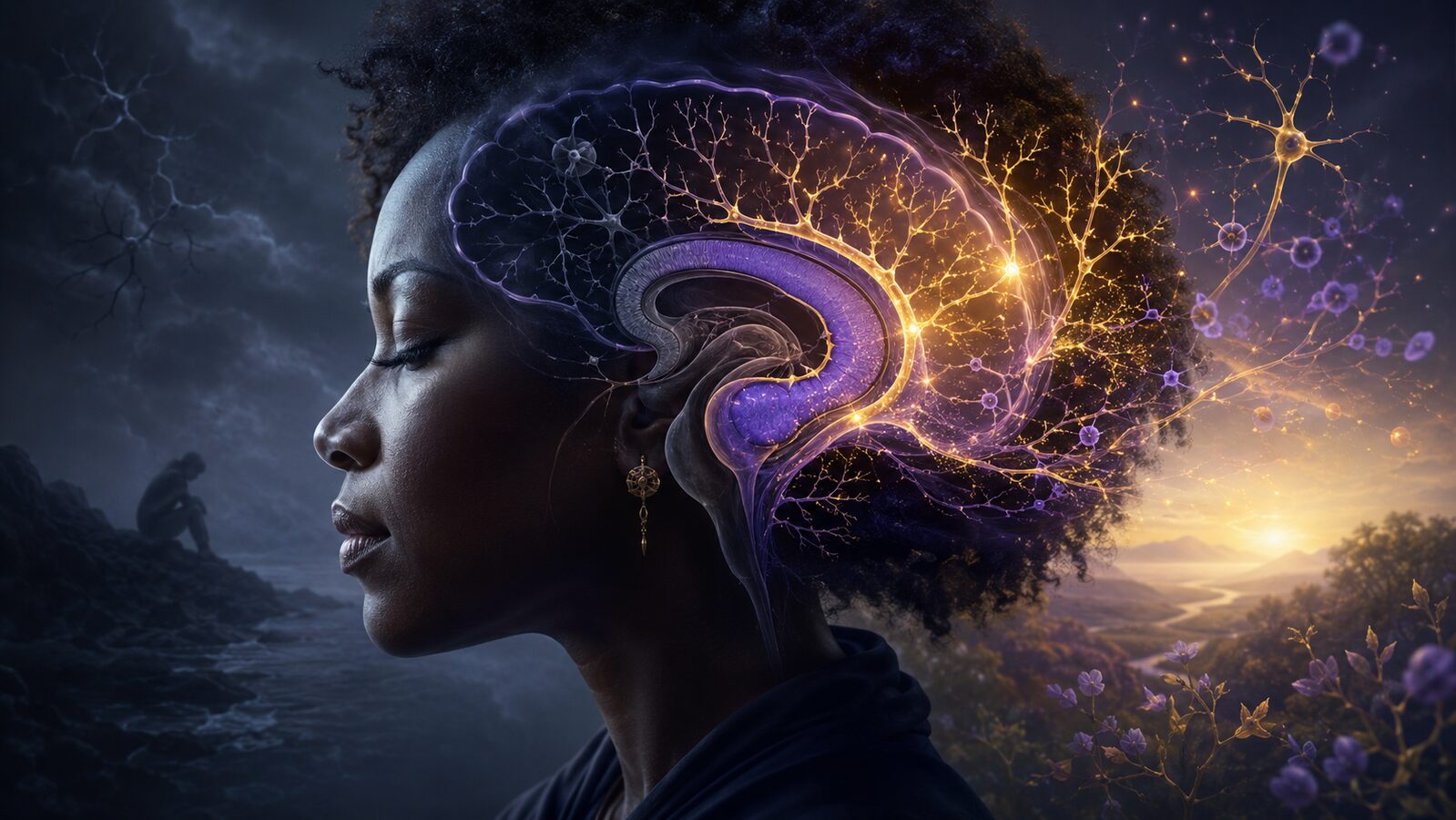
The adult human brain can continue producing new neurons, but new research suggests that depression may interfere with that process and alter the molecular environment of hippocampal memory circuits.
SciTechDaily reports that researchers linked depression with stalled adult neurogenesis—the creation of new neurons in adulthood—and broader molecular changes within the hippocampus. The finding adds biological depth to a condition often described only through mood and behaviour.
Why the hippocampus matters
The hippocampus supports memory, learning and the organisation of experience. Reduced neurogenesis has long been investigated as one possible mechanism connecting chronic stress, cognitive difficulty and depressive symptoms. However, a biological association does not mean that every person with depression has the same brain changes or that one mechanism explains the whole condition.
Depression is heterogeneous. Social adversity, trauma, genetics, inflammation, sleep disruption, relationships and personal meaning can interact differently across individuals. The study should therefore inform psychological formulation rather than replace it.
MaryChuks psychological analysis
The most useful interpretation is not biological determinism but integration. A person’s thoughts, relationships and environment can influence biological stress systems, while biological changes can shape energy, memory and emotional regulation. Treatment works best when the person is understood across these interacting levels.
A biological finding should reduce blame—not reduce the human being to biology.
This article is educational and is not a substitute for individual medical or psychological assessment.
Source: SciTechDaily
Discover more from Marychuks.com AI, Psychology, Business & CreativeVerse
Subscribe to get the latest posts sent to your email.