The environmental cost of artificial intelligence just acquired an extraordinary number:
33 million tonnes of carbon dioxide per year.
An Amazon-owned data-centre site in Pecos County, Texas, is associated with an on-site natural-gas power project whose permit allows emissions of up to that amount annually. The Verge and TechCrunch, citing reporting and data from Cleanview and The New York Times, note that the permitted ceiling exceeds the emissions associated with America’s largest conventional power plants. �
The Verge +1
That does not mean the facility will necessarily emit the full permitted amount every year. Environmental permits establish maximum allowable levels, and facilities often operate below those limits. �
The Verge
But, the scale of the permit reveals how dramatically AI is reshaping electricity demand.
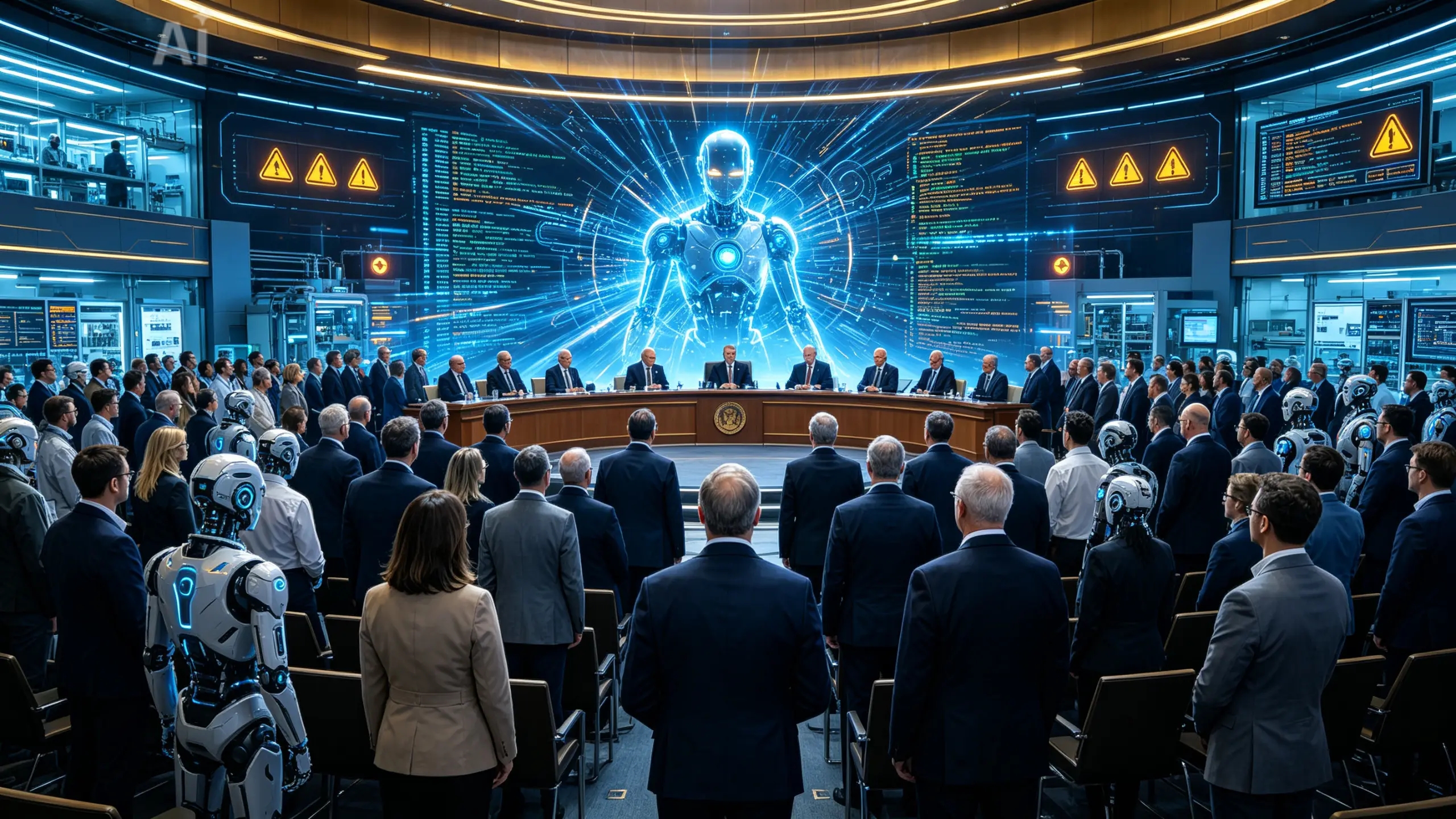
AI Has a Physical Body
To the customer, AI looks like a text box.
Behind the text box are:
GPU clusters,
server racks,
cooling systems,
substations,
transmission lines,
backup generators,
and enormous amounts of electricity.
The increasingly uncomfortable question is whether society is building clean-energy capacity quickly enough to match AI expansion.
The Climate Contradiction
Technology companies have spent years promising lower emissions and renewable-energy transitions.
At the same time, the need to bring massive quantities of reliable electricity online quickly has renewed interest in natural gas.
Gas provides dispatchable electricity when solar or wind generation is unavailable, but it still releases greenhouse gases.
The AI race can therefore accelerate both technological progress and fossil-fuel infrastructure.
Mary Chuks’ Perspective
AI is a scaler.
That means it scales what sits underneath it.
Connect it to clean electricity and intelligence scales with lower emissions.
Connect it to fossil fuels and the environmental footprint 6.
The chatbot can not choose the electricity system.
Humans do.
That is why “responsible AI” can not stop at model behaviour. It has to include the physical world keeping the model alive.
Conclusion
The smartest software humanity has ever built still requires something extremely old-fashioned:
power.
The next AI race will, therefore, not be decided only by who owns the best model.
It may also depend on who finds a sustainable way to keep the lights on. �
Discover more from Marychuks.com AI, Psychology, Business & CreativeVerse
Subscribe to get the latest posts sent to your email.