The Creator’s AI Stack Needs a Rights Layer, Not Just Faster Output
Creators using AI need a rights layer for sources, consent, human authorship and licences—not only faster generation, editing and distribution.
Marychuks.com AI, Psychology, Business & CreativeVerse
Empowering Minds with AI, Psychology and Digital Innovation
Creators using AI need a rights layer for sources, consent, human authorship and licences—not only faster generation, editing and distribution.
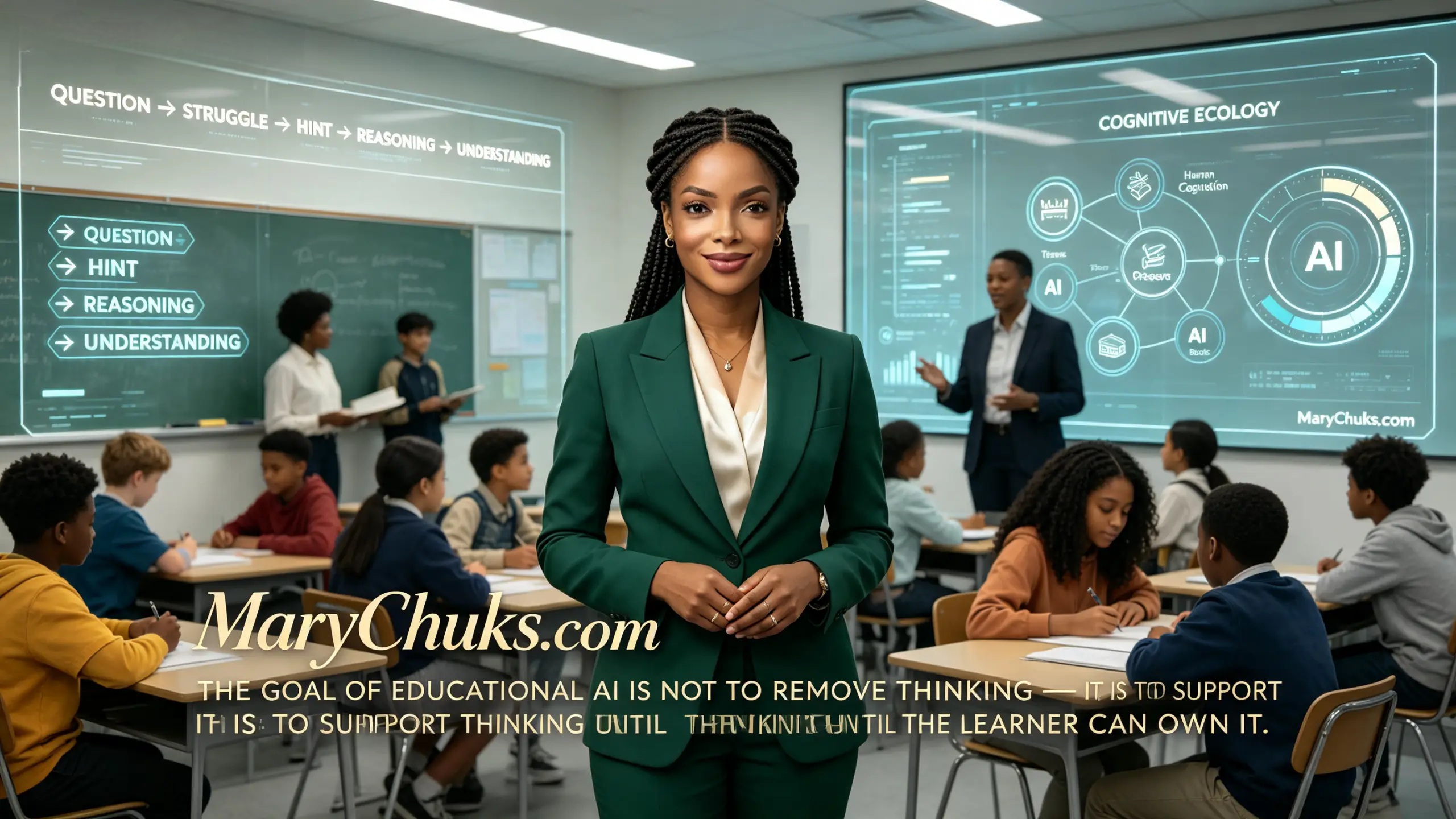
A new Communications Psychology perspective argues that generative AI should not be treated as another classroom tool. Because AI can explain, evaluate, generate and interact continuously, it may redistribute the cognitive work traditionally performed by students and teachers.
A new Communications Psychology perspective argues that generative AI should not be treated as another classroom tool. Because AI can explain, evaluate, generate and interact continuously, it may redistribute the cognitive work traditionally performed by students and teachers.
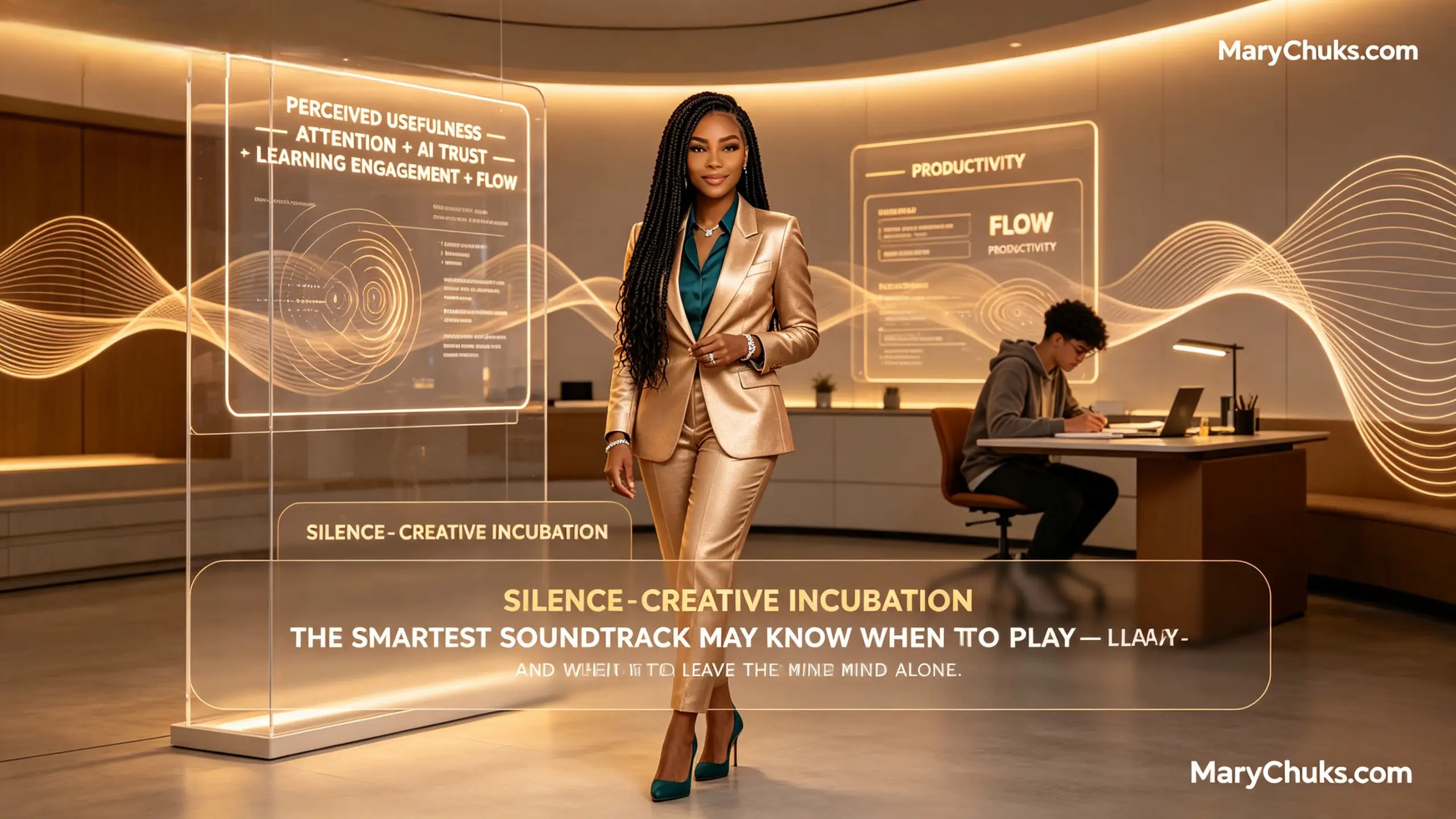
A new Scientific Reports study followed 407 university students after four weeks of AI-generated music listening. Students who perceived the music as useful reported stronger attention and AI trust, which were associated with greater learning engagement and flow—but the findings show association, not proof that AI music causes better learning.
Keep the imagination and sharpen the question. Separate a concept, a mechanism, a prediction and a test before calling an idea a discovery.
Australia’s music industry will exclude wholly AI-generated tracks from official charts while allowing qualifying AI-assisted work. The boundary now depends on meaningful human authorship.
Meta’s Muse Image and Muse Video expand generative creation while Content Seal introduces an invisible signal intended to survive common edits.
New August 2026 psychology research reveals a fascinating AI paradox: generative AI can strengthen creative thinking, but excessive dependence can undermine some of those benefits. The key may be preserving human creative confidence.
New August 2026 psychology research suggests generative AI can support creative thinking, but dependence may undermine some of those gains. The real opportunity may lie in learning how to think with AI without surrendering our own thinking.
New 2026 research suggests people may judge creative work differently depending on when AI enters the process. The findings offer a fascinating lesson for writers, designers and entrepreneurs working with generative AI.