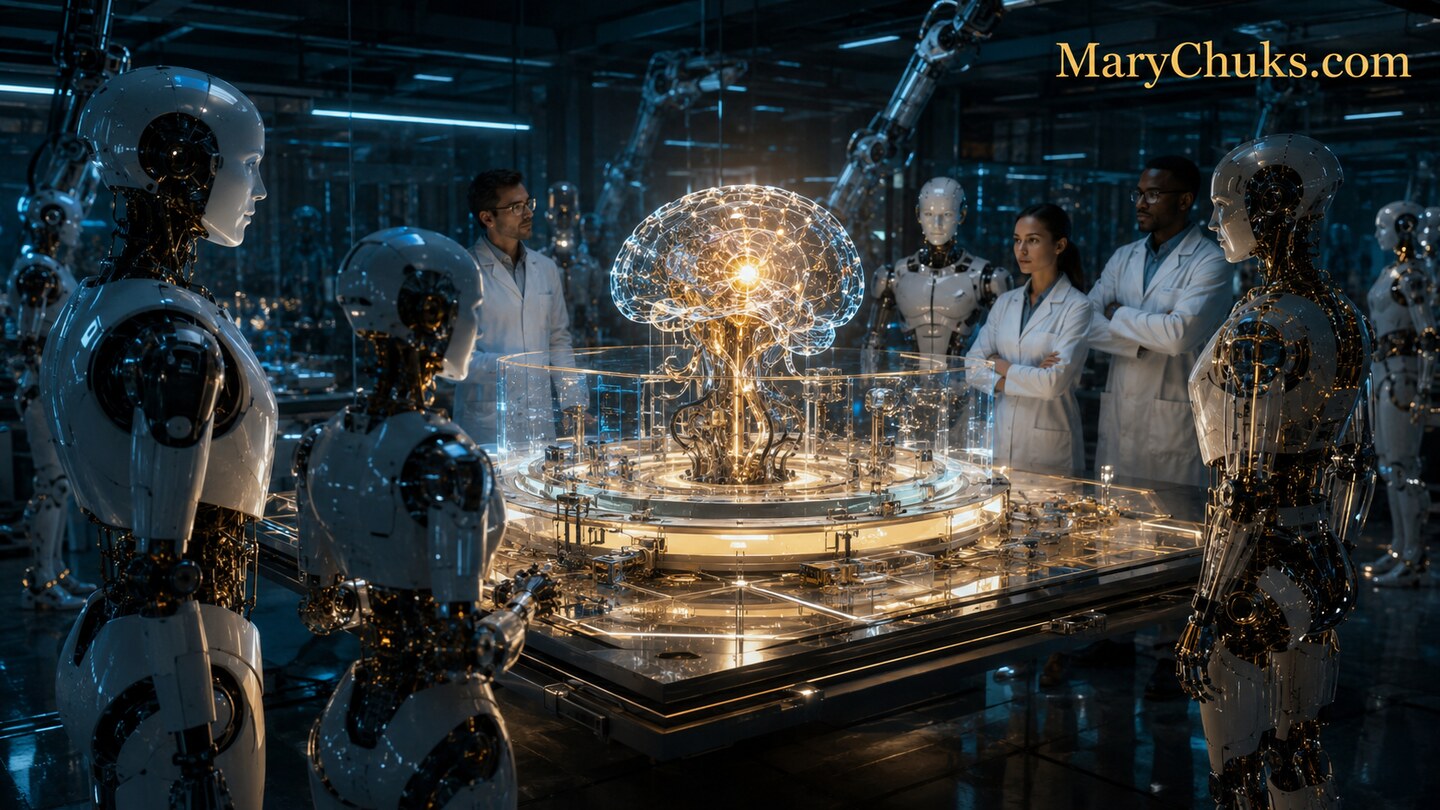
ChatGPT changed public expectations because one system could handle many language tasks through a simple interface. Robotics leaders now wonder whether physical machines could experience a similar leap.
A prediction of a “ChatGPT moment” by 2027 should be treated as a forecast, not a deadline. Yet it captures a real shift: robotics is moving from machines programmed for one controlled task towards systems that perceive, reason and adapt.
What a breakthrough would require
A useful robot brain must connect vision, language, memory, planning and safe movement. It must cope with unfamiliar objects, changing environments and the messy physics of the real world.
Data is a major obstacle. Language models can learn from enormous text collections; robots need experience involving touch, motion and cause-and-effect. Simulation, teleoperation and shared training data are helping close that gap.
Why 2027 may still be early
Impressive demonstrations do not equal dependable products. A household or factory robot must work repeatedly, recover from errors and avoid harming people or property. Hardware cost, batteries and maintenance matter as much as intelligence.
The likely first winners
Structured workplaces may benefit before homes. Warehouses, factories and laboratories can define tasks and safety zones more clearly. Success there could create the experience and scale needed for broader use.
The robot revolution may not arrive in one dramatic moment. But if machines begin transferring skills across tasks, the comparison with ChatGPT will feel less like hype and more like history.
Discover more from Marychuks.com AI, Psychology, Business & CreativeVerse
Subscribe to get the latest posts sent to your email.