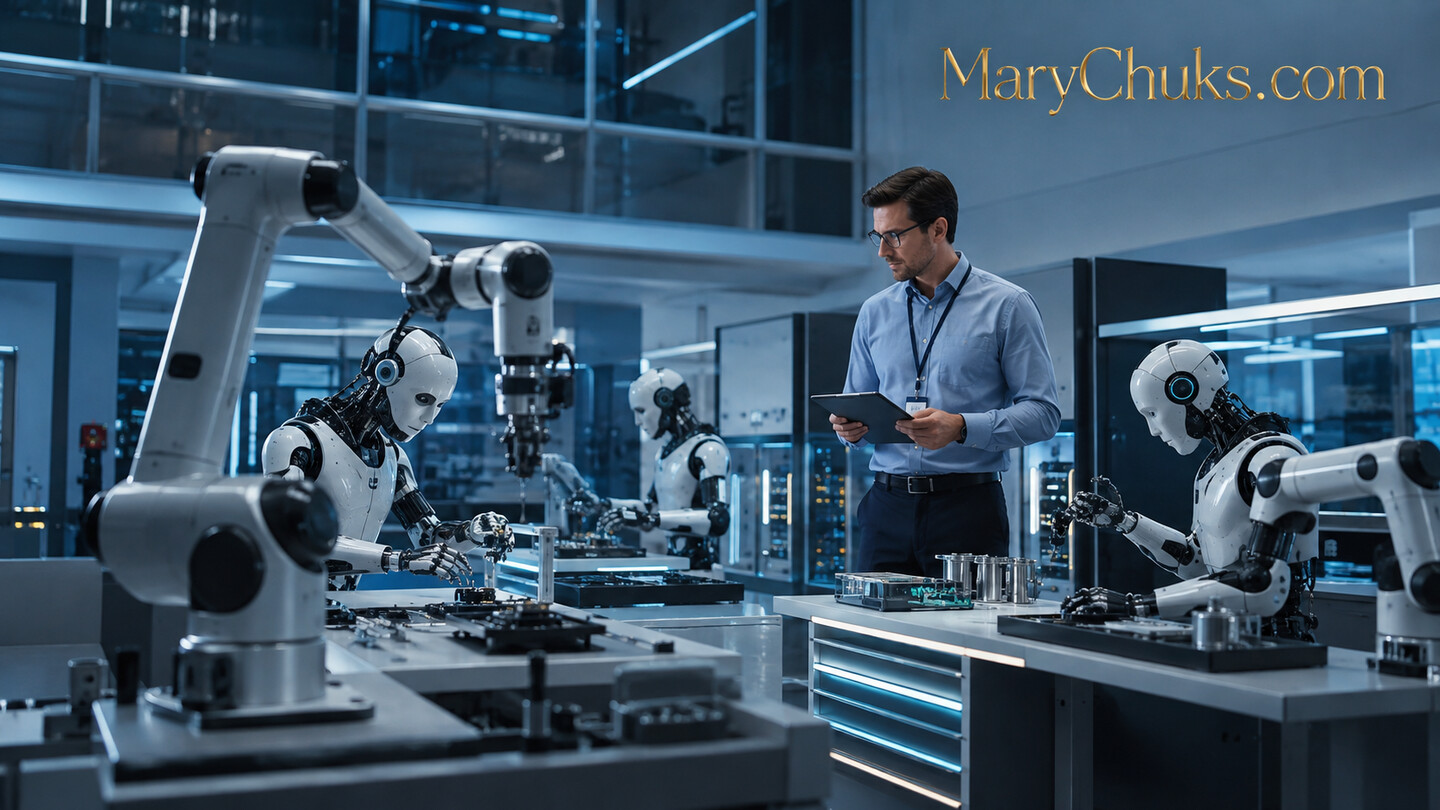
One of the hardest problems in robotics is not beginning a task. It is recognising whether the task has been completed correctly.
Google DeepMind says Gemini Robotics ER 2 improves video understanding, tool orchestration, progress tracking and collaboration across multiple robots.
That distinction matters in real environments. Tightening a light bulb, closing a container or tying a rubbish bag involves more than copying a motion. A robot needs to observe the result, compare it with the intended state and decide whether further action is required.
Progress awareness can make robots safer and less dependent on constant human correction. Multi-robot collaboration could also allow specialised machines to coordinate parts of a larger job.
Human supervision remains essential, particularly where errors could injure someone or damage equipment. Systems need limits, predictable stop behaviour and clear methods for operators to intervene.
The advance also supports an important design principle: robots should be built around purposes and measurable outcomes, not simply human-like appearance.
Physical AI becomes genuinely useful when machines can understand the environment, complete a defined responsibility and provide evidence that the work was done correctly.
Source
Read the original report or official announcement.
Discover more from Marychuks.com AI, Psychology, Business & CreativeVerse
Subscribe to get the latest posts sent to your email.