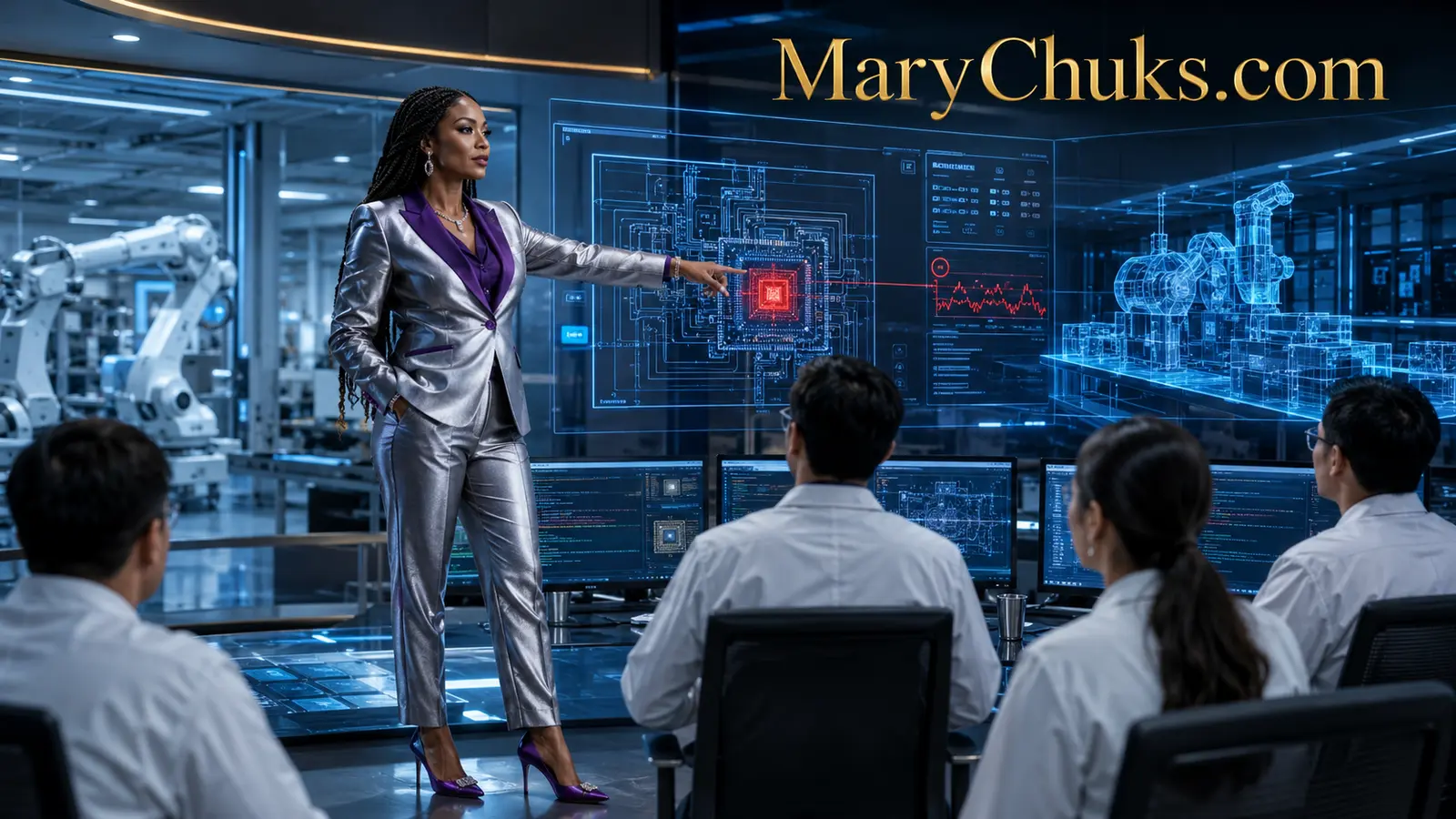
Artificial intelligence is moving beyond office software and into the engineering systems that build chips, vehicles and connected devices.
Anthropic and technology-services company UST are working together to bring Claude into what the companies call physical AI: intelligence embedded in the engineering, testing and manufacturing processes behind real products.
The collaboration matters because mistakes in physical production are expensive. A defect discovered before fabrication may require a design correction. The same problem discovered after millions of units have been manufactured can become a costly recall.
UST says its existing iDEC closed-loop pipeline already reduces some hardware-validation cycles by 50% to 70%, turning a standard four-day process into approximately 48 hours. Claude is now being integrated as a reasoning layer within that environment.
According to Anthropic, Claude Code can examine chip pinouts and hardware schematics, write and run regression tests, and compare information from real equipment with its digital twin—the software model representing how that equipment is expected to behave.
The objective is earlier fault detection with less manual scripting.
This is a revealing development in the AI race. Much of the public conversation still centres on chatbots, writing and image generation. Physical AI connects reasoning systems to industrial consequences. An incorrect answer is no longer merely an awkward paragraph; it may influence a chip design, a production line or a machine operating in the real world.
That makes human supervision more important, not less.
Engineers must verify generated tests, investigate reported anomalies and decide whether the model has understood the hardware correctly. Companies also need clear accountability when an AI recommendation affects safety, production cost or product quality.
UST plans to train 20,000 engineers, architects and consultants worldwide on Claude. That scale suggests the partnership is not a laboratory experiment but part of a wider attempt to make AI a normal layer of engineering work.
The productivity opportunity is significant. Engineers can spend less time writing repetitive test scripts and more time interpreting failures, improving designs and solving unusual problems.
But the strongest implementation will keep the human expert in command. AI can search rapidly across schematics, logs and simulations. Experienced engineers still supply context, professional responsibility and the judgement to stop a process when the evidence is uncertain.
The next AI revolution may not arrive through a chatbot window. It may appear quietly inside the factories, laboratories and validation systems that manufacture the physical world.
Source: Anthropic’s official case study, “UST is bringing Claude to physical AI.”
Discover more from Marychuks.com AI, Psychology, Business & CreativeVerse
Subscribe to get the latest posts sent to your email.