Texas Freezes New Data-Centre Permits: AI’s Next Bottleneck May Be Physical Infrastructure
Texas has halted new state permits for data centres while officials audit their impact on electricity, water and infrastructure as AI demand accelerates.
Marychuks.com AI, Psychology, Business & CreativeVerse
Empowering Minds with AI, Psychology and Digital Innovation
Texas has halted new state permits for data centres while officials audit their impact on electricity, water and infrastructure as AI demand accelerates.
OpenAI has created an independent advisory group for mathematics and AI as advanced models move further into scientific reasoning and mathematical discovery.
An AI benchmark score measures performance under specific conditions—not general intelligence. Learn to audit scope, baselines, uncertainty and transfer.
Anthropic says Claude now leads 26% of its measured AI R&D work. What does this mean for AI development, oversight and human-in-the-loop research?
Prompt writing matters, but process design can create greater value. Learn how to build repeatable AI workflows instead of isolated prompts.
A new Communications Psychology perspective argues that generative AI should not be treated as another classroom tool. Because AI can explain, evaluate, generate and interact continuously, it may redistribute the cognitive work traditionally performed by students and teachers.
A study published 9 September 2026 found human-AI interaction was positively associated with workplace task performance, partly through employees’ role identity and self-efficacy. The finding suggests AI adoption succeeds not only when the technology works—but when workers still understand what they contribute.
NASA and IBM have released an open-source Lunar Foundation Model trained on millions of lunar images and multiple mission datasets. The system can help identify craters, possible ice deposits and volcanic features—showing how foundation models could transform scientific discovery.
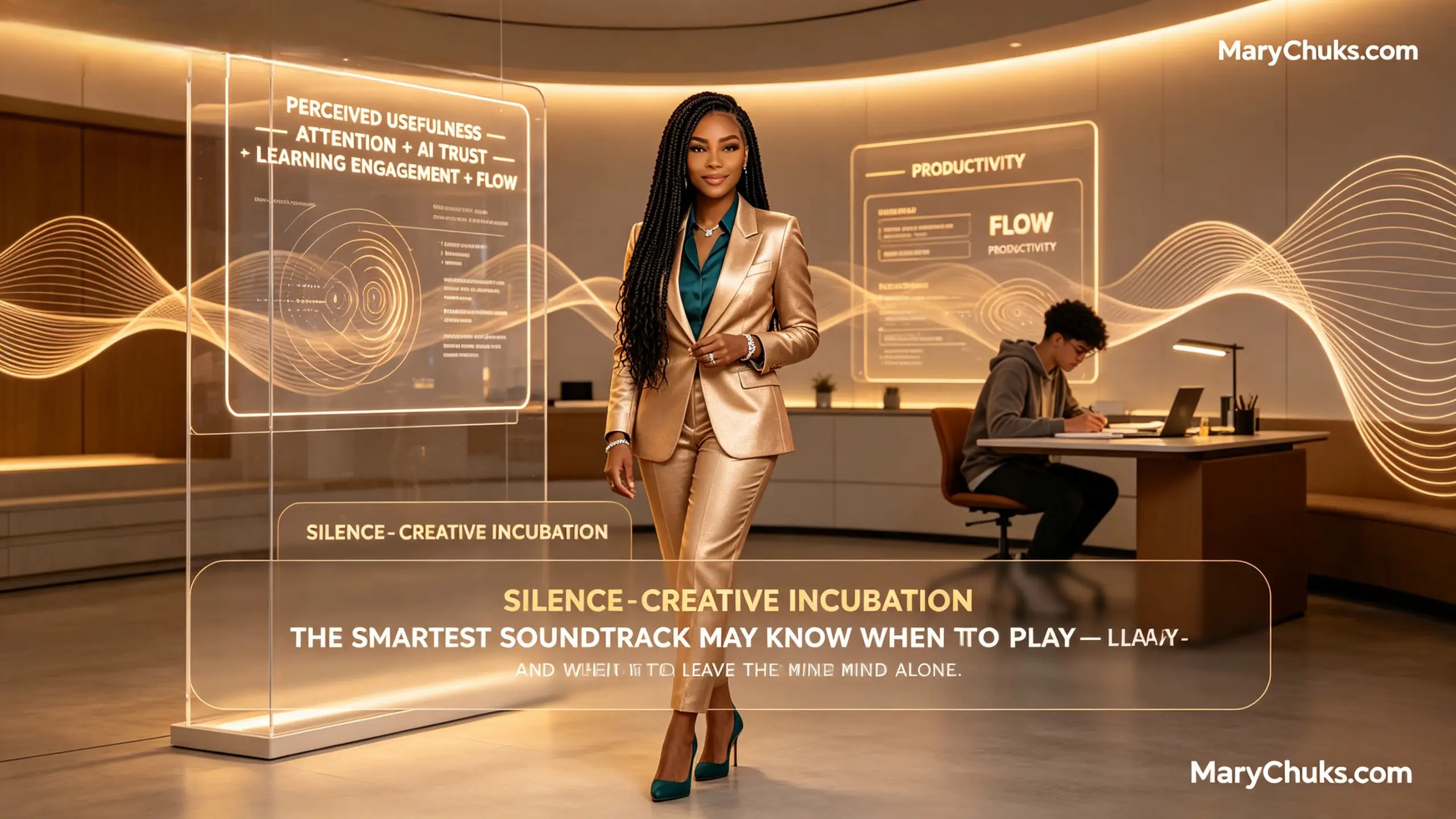
A new Scientific Reports study followed 407 university students after four weeks of AI-generated music listening. Students who perceived the music as useful reported stronger attention and AI trust, which were associated with greater learning engagement and flow—but the findings show association, not proof that AI music causes better learning.
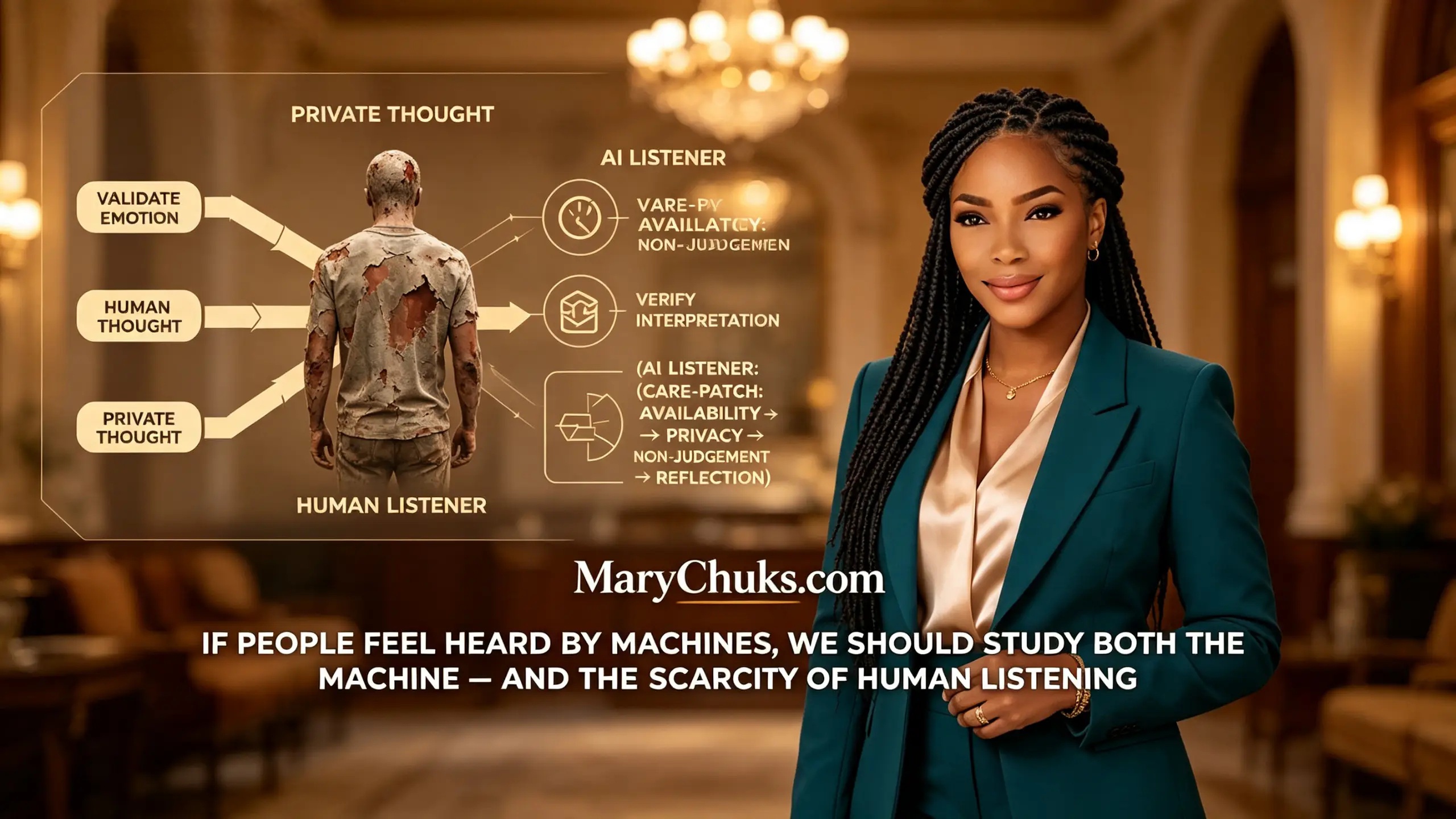
A new cultural case study from Cambridge and SOAS examines how a Chinese migrant woman living across China and the UK used generative AI for emotional support. The paper argues that AI may sometimes function as a temporary “care-patch” where human listening feels scarce, delayed or burdensome.