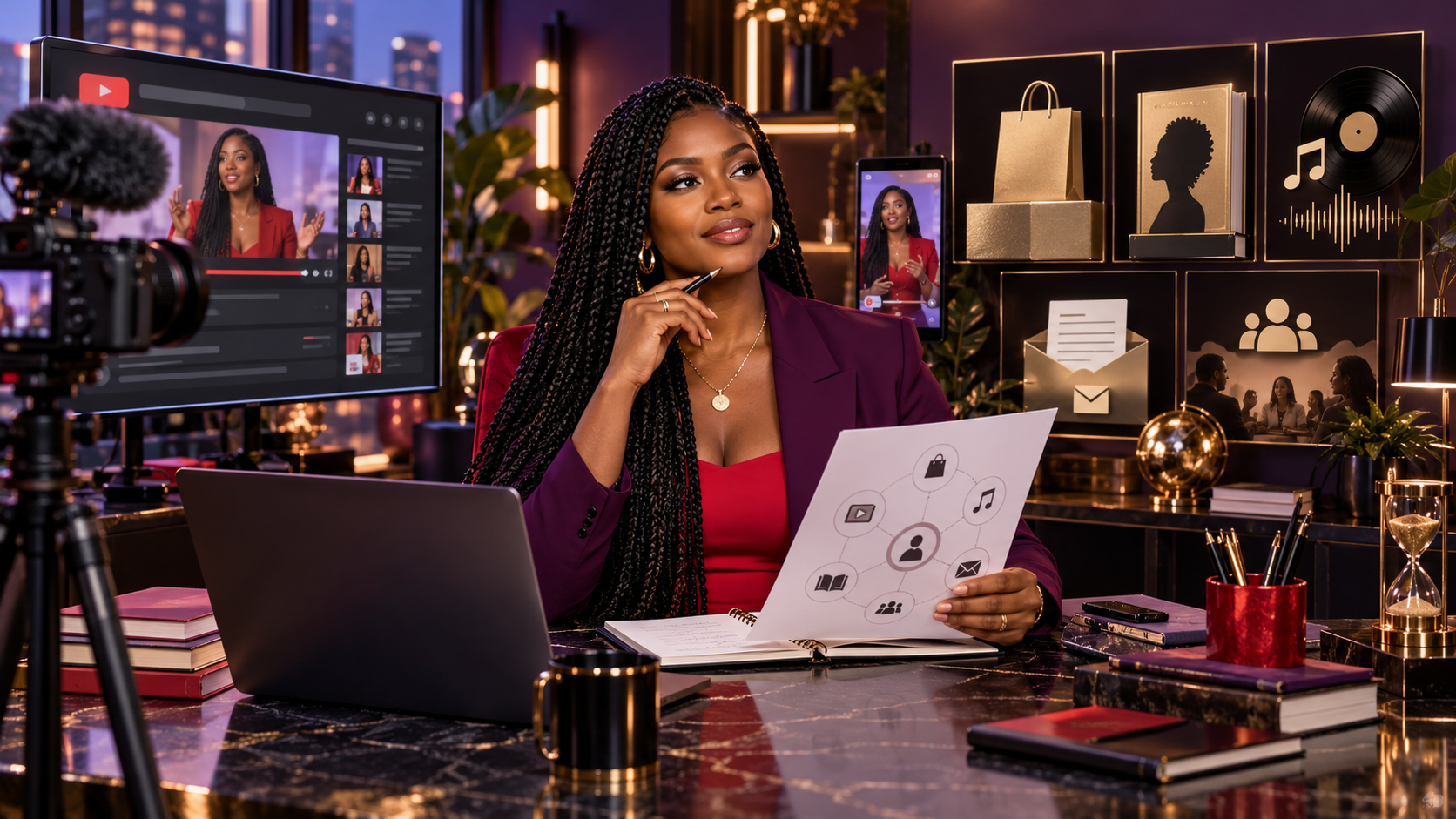
The Single-Platform Trap: What Happens When One Channel Carries Your Business?
A strong social channel can also become a business dependency. Map what would stop working if your main platform disappeared for one week.
Marychuks.com AI, Psychology, Business & CreativeVerse
Empowering Minds with AI, Psychology and Digital Innovation
A strong social channel can also become a business dependency. Map what would stop working if your main platform disappeared for one week.
AI educator CatGPT has taken an equity stake in creator-management firm Smooth Media. The move shows how audience value can become lasting ownership.
Google’s MrBeast partnership shows creators becoming product laboratories for AI—not merely campaign faces. That power needs standards and ownership.
IAB Global Creator Week begins 14 September. Creators should enter brand negotiations with clear standards for pay, rights, measurement and AI use.
AI can multiply design options, but empathy, context, taste and responsibility remain human. The future designer becomes a stronger editor of possibility.
The Seattle Times and Newsday have sued OpenAI and Microsoft. The unresolved conflict asks whether AI can thrive while weakening its information sources.
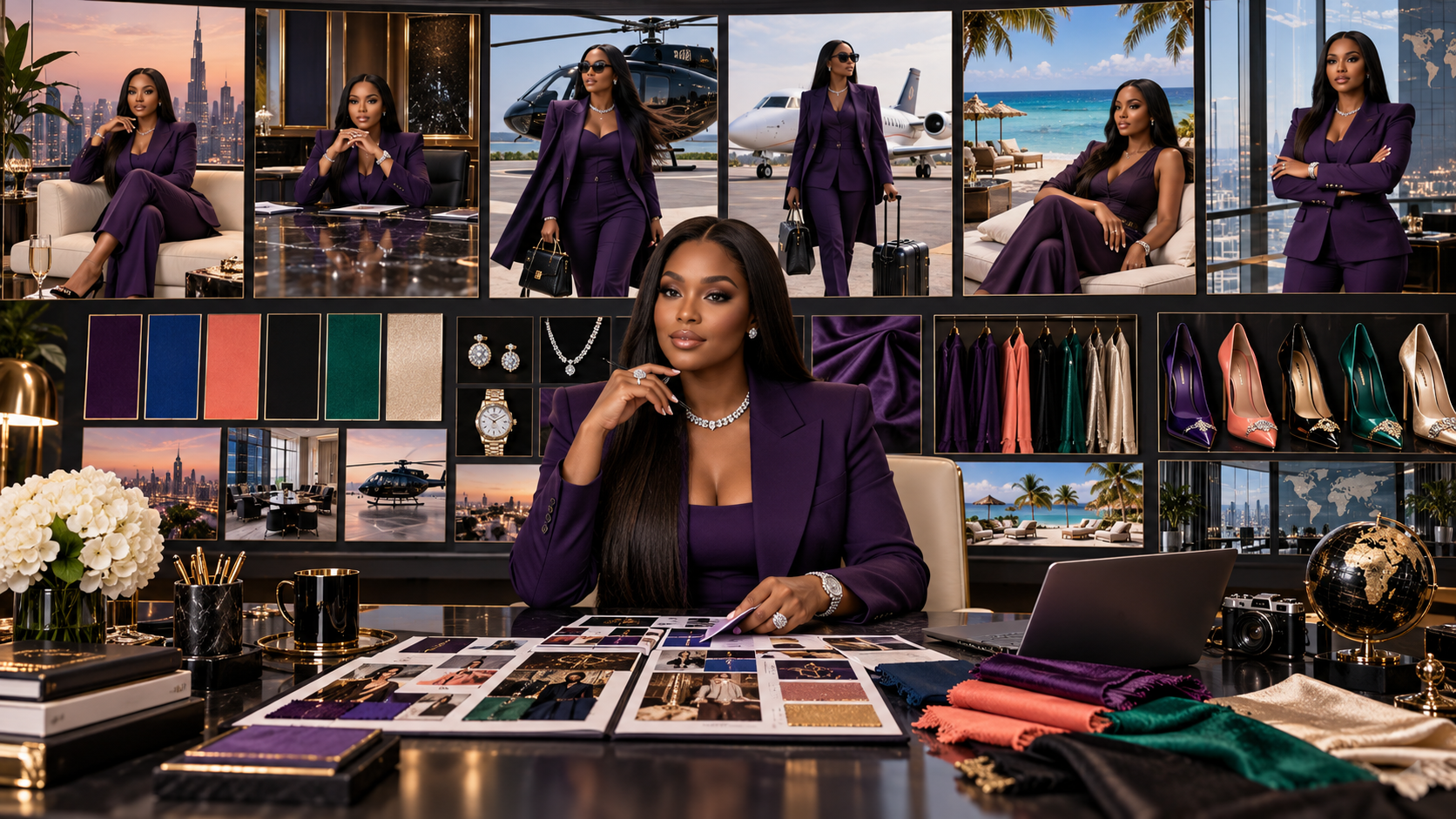
A prompt library becomes valuable when it preserves identity, choices and repeatable quality. Here is how to build a recognisable Black female CEO visual system.
YouTube’s 2027 eligibility changes are a warning for creators: reach is valuable, but durable income depends on owned audiences, products and platforms.
Mary Oge Chuks proposes a ten-second Creator Mode: free watermarked AI videos that invite participation, spread product discovery and convert occasional creators through credits.
AI is shrinking the minimum viable media company. One creator can now coordinate research, writing, design, video, distribution and analytics from a single desk.